



|
Platinum ( PLE – NYMEX ) |
|
| Size | Full |
| Exchange | New York Mercantile Exchange ( NYMEX ) |
| Commodity code | PLE |
| Contract lot value (market price) | Commodity price * contract size |
| Contract size | 50 troy ounce |
| Margin (changes according to MXV) | 10% of contract lot value |
| Trading price step | $0.1 ~ $5/lot |
| Quoted unit | Usd/troy ounce |
| Profit/loss fluctuation $1/lot | $50 |
| Trading period | 1;4;7;10;11;12 |
| Trading schedule | Monday – Friday |
| Trading session (winter opens 60 minutes late) | 05:00 – 04:00 (the next day) |
| Price range | According to MXV regulations |
| Quality standard | According to the regulations of Platinum (Platium) products traded on the NYMEX commodity exchange |
| Delivery Registration Date | 05 working days before the first notice date. |
| First notice day | Last working day of the month immediately preceding the expiration month. |
| Last trading day | The 3rd last working day of the expiration month. |
| Payment method | Physical delivery |
I. Introduction
1. Overview of the Platinum Market
Platinum is a rare precious metal widely used across various sectors, including high-end jewelry, electrical contacts, automotive catalytic converters, sensors, and turbine engines. Due to its scarcity and versatile applications, platinum attracts significant attention from both industry and global investors
In recent years, the platinum market has experienced fluctuating supply-demand dynamics, and in 2025 it is projected to face a supply deficit exceeding demand, reflecting tight global supply relative to consumption, according to the latest data from the World Platinum Investment Council (WPIC) (Prnewswire, 19/05/2015). It is worth noting that such structural tightness may support price resilience over the medium term.
It is worth noting that such structural tightness may support price resilience over the medium term.
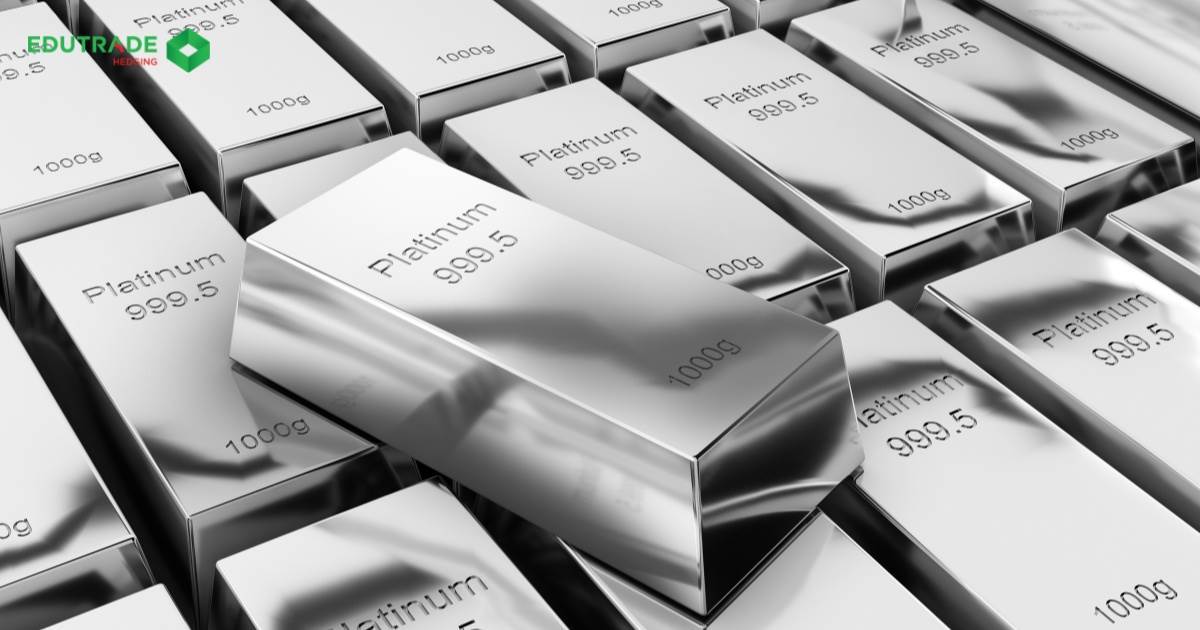 2. Product Information
Platinum is a rare transition metal with a silvery-white color, known for its ductility, malleability, durability, resistance to oxidation, and excellent catalytic properties. Within the Earth's crust, platinum is extremely scarce, often occurring in association with nickel or copper ores.
Its low natural abundance requires large quantities of ore to extract even small amounts of the metal, resulting in higher production costs compared to many other precious metals.
3. Mining and Production
The platinum extraction and production process generally includes the following stages:
- Mining: Extracting platinum-bearing ore via open-pit or underground mining methods.
- Concentration: Separating valuable ore from unwanted material through mechanical and chemical processes.
- Refining: Removing impurities to obtain pure platinum, ready for industrial and commercial applications.
4. Applications
Automotive Industry:
Platinum is a key component in catalytic converters, reducing emissions from gasoline and hybrid vehicles. This sector accounts for a significant portion of global platinum demand.
Jewelry Industry:
With its bright luster, resistance to tarnishing, and high reflectivity, platinum is widely used in wedding rings, necklaces, and luxury watches, representing a major share of jewelry demand.

Other Industrial Applications:
Platinum is also utilized in sensors, electronic devices, turbine engines, and other specialized industrial applications.
Investment Demand:
Although investment demand accounts for a smaller portion compared to industrial and jewelry consumption, platinum continues to serve as a store of value and hedge, particularly in 2025, when investment flows into platinum bars and coins have increased significantly.
5. Trade Overview
Global trade data indicates that platinum exports and imports fluctuate according to market demand and production cycles. The latest statistics (2025) show that the global platinum market continues to face a supply deficit, with estimated supply declining while demand remains high.
As of 2024, the total global trade value of platinum remained substantial despite fluctuations in metal prices and sectoral demand. The total value of platinum exports in 2024 was estimated at approximately USD 43.5 billion, although this represented a decline compared to previous peak years due to adjustments in production and market demand (Worldstopexports.com).
Regarding export distribution in 2023–2024, South Africa remains the leading supplier with the highest export value, followed by Russia, the United Kingdom, the United States, and Germany, which together account for a large share of global platinum exports (Tendata).
On the import side, the United States remains one of the largest platinum markets, accounting for approximately 16% of global imports in 2024. Other major importers include China, the United Kingdom, Japan, and Germany, reflecting industrial, automotive, and jewelry-related demand.
II. Market Analysis
1. Geopolitical Factors
Platinum prices are strongly influenced by political developments in major producing countries, particularly South Africa, which accounts for a large share of global production. Policies, production disruptions, or tariff adjustments in these countries can result in significant price volatility.
Global trade policies, such as changes in import duties or quotas on precious metals, also contribute to both short-term and long-term price fluctuations.
2. Supply and Demand Factors
Platinum prices are driven by classic supply-demand dynamics:
- Oversupply tends to depress prices.
- Excess demand tends to increase prices.
Recent reports indicate that the platinum market has experienced persistent supply deficits for several consecutive years, with supply unable to meet global demand, contributing to upward price pressure in 2025.
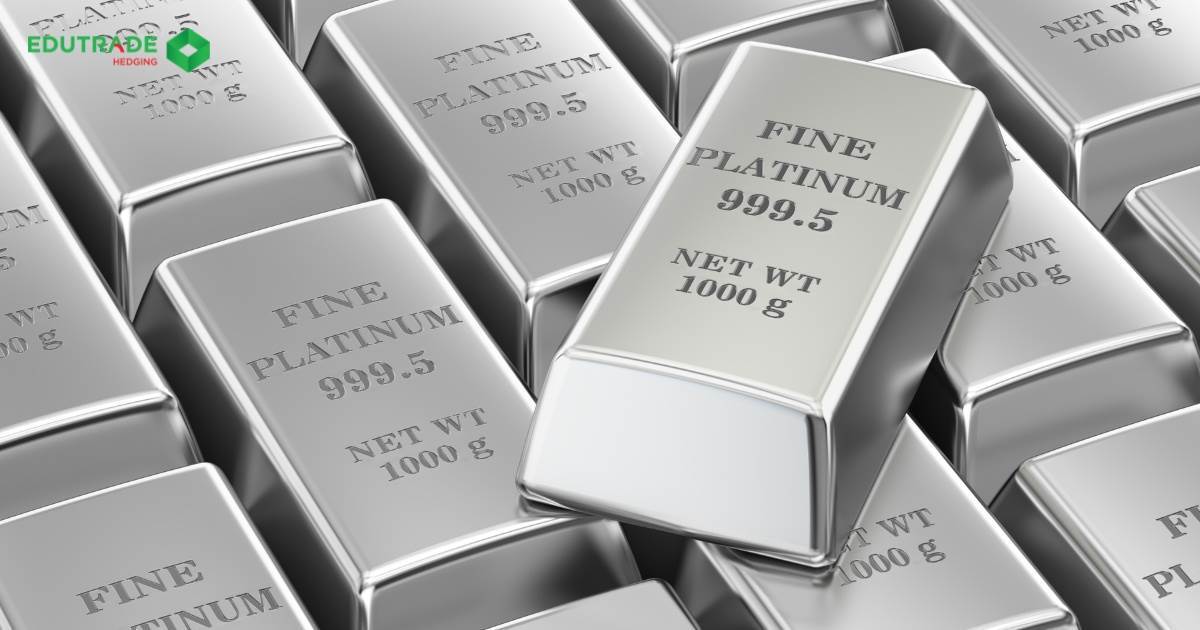
3. Automotive Industry Influence
The automotive sector is a key driver of platinum demand. Any changes in production of internal combustion or hybrid vehicles, as well as new emissions standards, directly affect platinum consumption in catalytic converters.
The transition to electric vehicles (EVs) may alter long-term platinum demand, as fully electric cars require little to no platinum in catalytic systems.
4. Speculative Trends
Investment funds and large institutions can create significant price fluctuations through positions in futures markets and ETFs, reflecting market sentiment more than fundamental supply-demand factors. The Commitments of Traders (COT) report is often used to analyze these trends.
5. Market Reports and Forecasts
Regular reports, such as those from the World Platinum Investment Council, provide data on supply-demand, inventories, and investment flows, helping assess market deficits or surpluses and forecast price trends.
For example, the latest Platinum Quarterly report indicates that the market is expected to remain in substantial deficit in 2025, primarily due to reduced supply and sustained high demand across key segments.
6. Correlation with Other Commodities
As a precious metal, platinum is correlated with gold and silver prices. During periods of financial market volatility or economic uncertainty, both gold and platinum are viewed as value-preserving assets. However, platinum often exhibits greater price volatility than gold over many periods.
It is worth noting that the combination of structural supply deficits, sustained industrial demand, and investment interest positions platinum as a strategically important metal for both industry and investors in the coming years.
III. Effective Platinum Investment Strategies (PLE)
1. Understand the Product
- Familiarize yourself with platinum’s physical and chemical properties, including its ductility, corrosion resistance, and superior catalytic performance.
- Understand platinum grading standards, refining processes, and global production concentration.
- Be aware that platinum supply is geographically concentrated, particularly in major producing countries, making the market sensitive to geopolitical and operational disruptions.
- Study key applications: automotive catalytic converters, jewelry manufacturing, industrial components (sensors, turbine engines), and investment bars and coins.
A clear understanding of the product’s characteristics and real-world applications forms the foundation for effective investment decisions.
2. Comprehensive Market Analysis
- Analyze global supply-demand dynamics, particularly structural supply deficits projected in 2025.
- Monitor mining output, production forecasts, and operational conditions in key producing regions.
- Assess demand drivers, especially in the automotive sector, jewelry industry, and industrial manufacturing.
- Evaluate macroeconomic factors such as USD strength, inflation, interest rates, and global economic growth.
- Consider substitution dynamics between platinum and other precious metals in industrial applications.
A thorough macro and micro analysis helps identify medium- and long-term price trends.
3. Track Price Movements and Market Data
- Monitor platinum spot prices, futures contracts, trading volume, and open interest.
- Follow key industry reports, including supply-demand outlooks and investment flow updates.
- Track ETF inflows/outflows and Commitments of Traders (COT) reports to gauge speculative positioning.
- Observe correlations with gold and other precious metals to detect cross-market signals.
Consistent data tracking enables timely adjustments to trading strategies.
4. Technical & Fundamental Analysis
Apply technical analysis tools such as trendlines, moving averages, RSI, MACD, and support/resistance levels to identify optimal entry and exit points.
Combine with fundamental analysis, including:
- Global production and mining forecasts
- Industrial and jewelry demand outlook
- Automotive production data and emission standards
- Inventory levels and reported supply deficits
- Geopolitical risks affecting major producers
Integrating both analytical approaches enhances decision-making precision while managing downside risk.
5. Risk Management Strategy
- Determine appropriate position sizing relative to total capital.
- Set clear stop-loss and take-profit levels
- Diversify exposure across commodities where appropriate.
- Avoid overleveraging, especially during periods of heightened volatility.
Platinum offers attractive profit potential, but disciplined risk management is essential for sustainable returns.
6. Professional Consultation
Investing in Platinum (PLE) presents strong opportunities, particularly in periods of structural supply tightness and resilient industrial demand. However, due to its price volatility and sensitivity to geopolitical developments, investors should approach the market with a well-structured strategy. For professional consultation and personalized platinum investment strategies, contact: Hotline: 0866 212 677 - Edu Trade – A Leading Member of the Vietnam Commodity Exchange, specializing in commodity market analysis, strategic advisory services, and investor education.
Tiêu chuẩn chất lượng:
Theo quy định của sản phẩm Bạch kim (Platinum) giao dịch trên Sở giao dịch hàng hóa NYMEX.
Đang cập nhật...
Đang cập nhật...
Đang cập nhật...