

 Facebbook
 Tiktok
 Youtube
 Zalo
Zalo Linkedin
 Investment community
 Instagram
|
Cotton ( CTE – ICE US ) |
|
| Size | Full |
| Exchange | Intercontinental Exchange US ( ICE US ) |
| Commodity code | CTE |
| Contract lot value (market price) | Commodity price * contract size |
| Contract size | 50,000 pounds ~ 22.68 tons |
| Margin (changes according to MXV) | 10% of contract lot value |
| Trading price step | $0.01 ~ $5/lot |
| Quoted unit | Cent/pound |
| Profit/loss fluctuation $1/lot | $500 |
| Trading period | 3;5;7;10;12 |
| Trading schedule | Monday – Friday |
| Trading session (winter opens 60 minutes late) | 08:00 – 01:20 (the next day) |
| Price range | Price limit fluctuates from 3 to 7 cents/pound |
| Quality standard | According to Cotton No. 2 quality standards traded on the ICE US exchange |
| Delivery Registration Date | 05 working days before the first notice date. |
| First notice day | 05 working days before the first working day of the expiration month. |
| Last trading day | 17 working days before the last working day of the expiration month. |
| Payment method | Physical delivery |
Cotton is a commodity traded in the commodities market, primarily used in the textile and apparel industry. This product is considered one of the most essential raw materials in the fashion industry.
To gain a deeper understanding of cotton, please follow this article from Edu Trade!
I. Introduction to Cotton Fiber
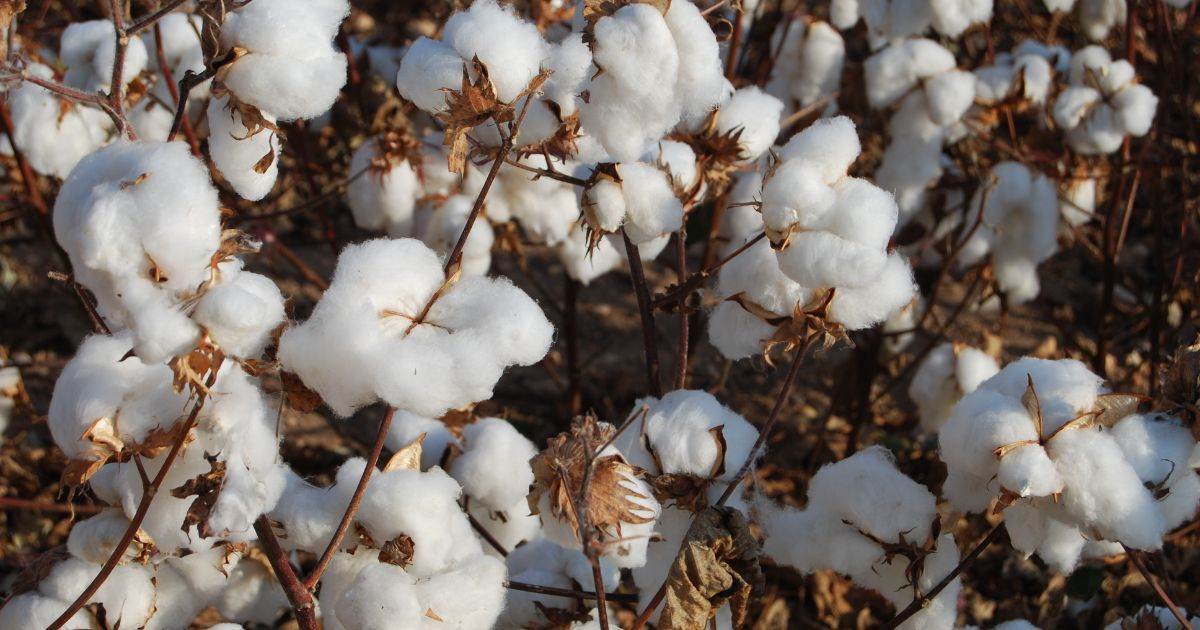
Origin: Cotton is a natural fiber obtained from the seed pods of the Gossypium plant. It is mainly cultivated in subtropical and tropical regions with distinct wet and dry seasons, particularly north of the equator. These climatic conditions provide sufficient temperature and sunlight for cotton to grow well during the growing season.
The exact origin of the cotton plant is unknown. However, traces of cotton fabric have been discovered in caves in Mexico dating back thousands of years, indicating that cotton has been used as a textile material since ancient times.
Applications:
Cotton is not only a critical crop in the textile industry but also serves multiple practical purposes: Global Textile Industry: Used to produce clothing, fabrics, blankets, pillows, and various household items. Other Industries: Cotton is used in medical products, paper, cottonseed oil, and technical materials.
II. Production, Consumption, and Global Market
1. Global Cotton Production
- Global cotton production for the 2024/25 season is estimated at approximately 120–121 million bales (around 120.89 million bales) according to USDA reports—a global cotton standard.
- The largest cotton-producing countries currently include:
- China, India, the United States, Brazil, and Pakistan, which account for the majority of global cotton output.
- China and India consistently rank at the top in production volumes based on recent statistics.
Long-term forecasts indicate that global cotton production is expected to rise to nearly 29.5 million tons by 2034, thanks to improvements in seed varieties and cultivation techniques (according to OECD-FAO Agricultural Outlook 2025–2034).
2. Export and Consumption Market
- International cotton trade accounts for over 4–5 million bales exported annually, with Brazil and the U.S. often leading in raw cotton exports.
- China is the world’s largest cotton consumer due to its highly developed domestic textile industry, representing a significant portion of global cotton demand.
- Bangladesh, India, Vietnam, and Turkey are also major consumption markets due to expanding domestic textile industries.
Trade trends indicate that Asian countries are increasingly importing cotton from major suppliers such as the U.S., Brazil, and Australia to meet textile demand.
3. Cotton Processing
After harvesting, cotton undergoes the following basic steps:
- Seed separation to obtain cotton fiber.
- Fiber cleaning to remove dust, impurities, and short fibers.
- Carding to straighten and soften the fibers.
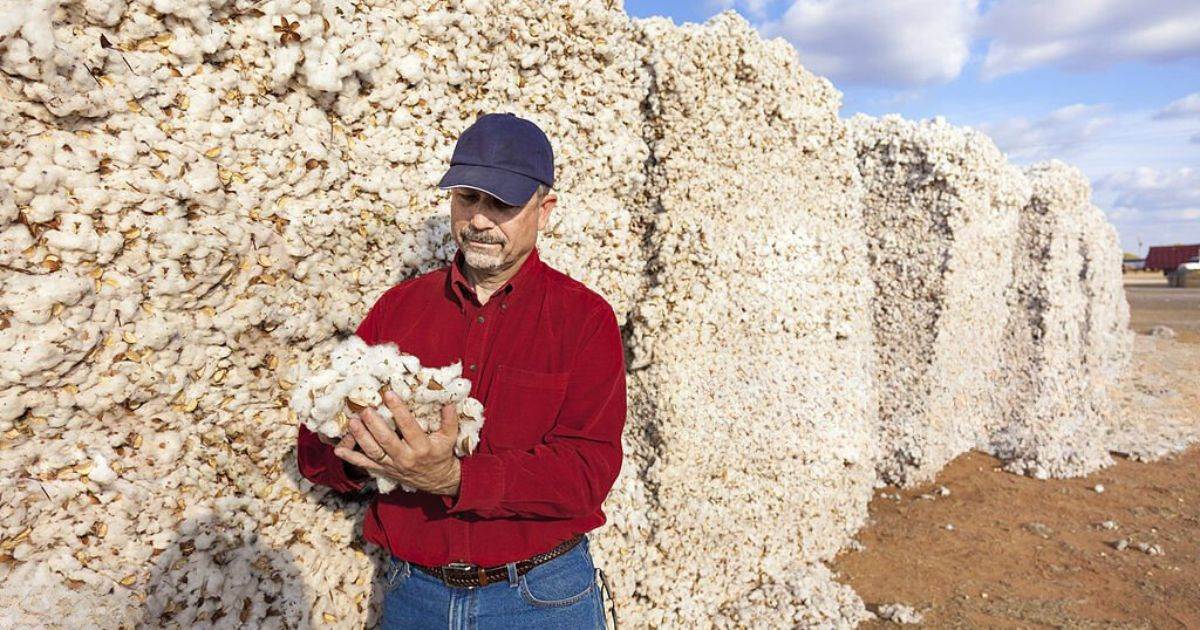
- Spinning into long fibers and packaging into cotton fiber lots. → This process forms the foundation for all textile products, from raw fiber to woven fabric.
III. Factors Affecting Cotton Fiber Prices
1. Supply and Demand
Supply: Cotton production is directly affected by growing seasons and climate conditions in major producing countries such as India, China, the U.S., Brazil, and Pakistan.
Shortages caused by drought, irregular rainfall, or pest outbreaks reduce supply and push prices higher, and vice versa.
Demand: Demand from the textile and apparel industry is the main price driver.
Major markets like China, India, and the European Union play critical roles in cotton fiber demand.
2. Seasonality and Weather
- Cotton prices tend to rise at the beginning of the harvest season when supply is limited and may decline as the season progresses and supply increases.
- Adverse weather such as droughts, floods, or frost can reduce production, indirectly driving prices up.
3. Transportation Costs and Exchange Rates
- Transportation costs from production areas to consumption markets affect the final price.
- Cotton is traded in USD, so fluctuations in exchange rates also impact import/export costs.
4. Inventory and Surplus Production
- Global cotton inventories are an important price indicator. High stock levels may pressure prices down, while low inventories support price increases.
IV. Production and Investment Cycle
1. Cotton Growing Season
- Cotton is typically planted in early spring and harvested in late summer to early autumn, depending on the region.
- Growth Stage: After planting, cotton takes approximately 4–5 months to develop from seedlings to flowering, requiring adequate water, sunlight, and nutrients
- Flowering and Boll Formation: About 10–12 weeks after germination, flowering begins, with cotton bolls forming and maturing over the next 1–2 months. Bolls turn from green to light brown when mature.
- Harvesting Stage: Cotton is usually harvested from September to December when bolls open and fibers are white and soft. In some regions, harvesting may extend into the following year to accommodate late planting or slow-growing varieties.
By understanding the seasonal cycle, investors can make informed and effective investment decisions.
2. Investment Risks in Cotton
Investing in cotton fiber can be profitable but carries significant risks due to:
- Price volatility influenced by seasons and weather.
- Liquidity risks and trade policies (e.g., tariffs affecting futures prices).
- Competition from synthetic fibers such as polyester and nylon.
However, despite the risks, cotton investment can offer substantial returns. Investors can leverage price fluctuations to buy low and sell high, maximizing profit opportunities. Effective capital management and stable investment psychology are essential, particularly for day traders.
Edu Trade hopes this overview of cotton fiber has provided valuable insights. If you are interested in this product or wish to participate in the derivatives market, please contact our Hotline: 0866.212.677 for professional support.
Edu Trade – Leading Member of the Vietnam Commodity Exchange (MXV)

Nhận Định 08.04.2025 | Nhóm Nguyên Liệu
#edutrade #giaodichhanghoa #dautuhanghoa Công ty cổ phần EDUTRADE tự hào là đơn vị tư…

Nhận Định 07.04.2025 | Nhóm Nguyên Liệu
#edutrade #giaodichhanghoa #dautuhanghoa Công ty cổ phần EDUTRADE tự hào là đơn vị tư…

Nhận Định 04.04.2025 | Nhóm Nguyên Liệu
#edutrade #giaodichhanghoa #dautuhanghoa Công ty cổ phần EDUTRADE tự hào là đơn vị tư…

Nhận Định 03.04.2025 | Nhóm Nguyên Liệu
#edutrade #giaodichhanghoa #dautuhanghoa Công ty cổ phần EDUTRADE tự hào là đơn vị tư…

Nhận Định 02.04.2025 | Nhóm Nguyên Liệu
#edutrade #giaodichhanghoa #dautuhanghoa Công ty cổ phần EDUTRADE tự hào là đơn vị tư…

Nhận Định 01.04.2025 | Nhóm Nguyên Liệu
#edutrade #giaodichhanghoa #dautuhanghoa Công ty cổ phần EDUTRADE tự hào là đơn vị tư…

Nhận Định 31.03.2025 | Nhóm Nguyên Liệu
#edutrade #giaodichhanghoa #dautuhanghoa Công ty cổ phần EDUTRADE tự hào là đơn vị tư…

Nhận Định 27.03.2025 | Nhóm Nguyên Liệu
#edutrade #giaodichhanghoa #dautuhanghoa Công ty cổ phần EDUTRADE tự hào là đơn vị tư…

Nhận Định 25.03.2025 | Nhóm Nguyên Liệu
#edutrade #giaodichhanghoa #dautuhanghoa Công ty cổ phần EDUTRADE tự hào là đơn vị tư…

Nhận Định 24.03.2025 | Nhóm Nguyên Liệu
#edutrade #giaodichhanghoa #dautuhanghoa Công ty cổ phần EDUTRADE tự hào là đơn vị tư…