


 Facebbook
 Tiktok
 Youtube
 Zalo
Zalo Linkedin
 Investment community
 Instagram
|
Arabica Coffee (KCE – ICE US) |
|
| Size | Full |
| Exchange | Intercontinental Exchange US ( ICE US ) |
| Commodity code | KCE |
| Contract lot value (market price) | Commodity price * contract size |
| Contract size | 37,500 pounds~ 17 tons |
| Margin (changes according to MXV) | 10% of contract lot value |
| Trading price step | $0.05 ~ $18.75/lot |
| Quoted unit | Cent/pound |
| Profit/loss fluctuation $1/lot | $375 |
| Trading period | 3;5;7;9;12 |
| Trading schedule | Monday – Friday |
| Trading session (winter opens 60 minutes late) | 15:15 – 00:30 (next day) |
| Price range | Not specified |
| Quality standard | Arabica coffee type 1, type 2, type 3 |
| Delivery Registration Date | 05 working days before the first working day of the expiration month. |
| First notice day | 07 working days before the first working day of the expiration month |
| Last trading day | 08 working days before the last working day of the expiration month |
| Payment method | Physical delivery |
Arabica coffee, also known as “coffee chè,” is the second most popular coffee variety globally, second only to Robusta. Arabica is highly valued for its rich and aromatic flavor, with a lower caffeine content compared to Robusta.
Therefore, if you are interested in Arabica coffee and the derivatives market, follow Edu Trade’s detailed article below!

1. Introduction to Arabica Coffee
Origin:
Arabica coffee is highly esteemed in the international market for its balanced flavor, bright acidity, and pleasant aftertaste, making it popular worldwide. In the 15th century, Arabica coffee was introduced to Yemen, which became a major coffee trading hub for several centuries. By the 17th century, Arabica coffee had reached Europe and quickly gained global popularity. Today, Arabica coffee is cultivated in over 70 countries, providing people with a flavorful and nutritious beverage.
Applications:
Arabica coffee offers numerous special benefits to consumers. It contains caffeine, which helps reduce fatigue and increase alertness. Some studies indicate that moderate coffee consumption may be associated with a reduced risk of certain chronic conditions, including low blood pressure, cardiovascular disease, Alzheimer’s disease, and enhanced immune system function. However, these effects depend on individual physiology and consumption levels.
Process:
Cultivation: Arabica coffee is primarily grown at altitudes of 800–2,000 meters, requiring a cool climate and stable rainfall.
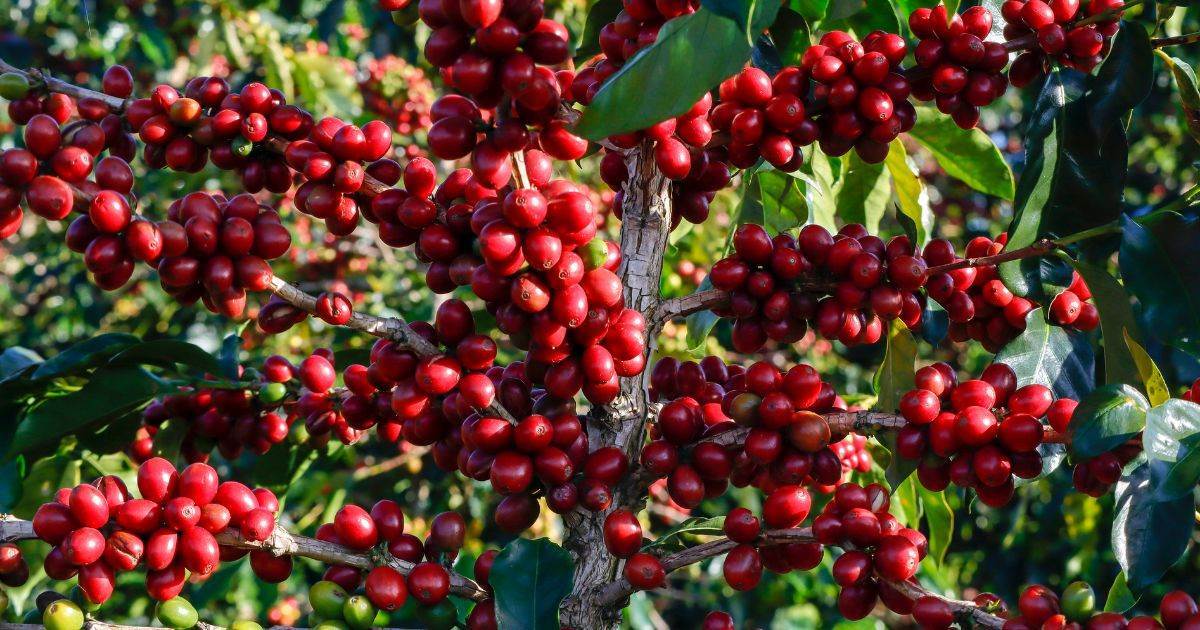
Harvesting: Once the coffee cherries turn red, they are harvested and processed using different methods, such as dry or wet processing.
Roasting and Grinding: Coffee beans are roasted at high temperatures to activate chemical reactions that create their distinctive aroma and flavor. After roasting, beans are cooled and ground.
Packaging: Finally, the coffee is sealed in packaging to preserve its quality.
2. Factors Affecting Arabica Coffee Prices
Supply and Demand:
Among the world’s major coffee-producing countries, Brazil leads in Arabica production. Therefore, fluctuations in production, economic and political conditions, agricultural policies, or weather in these countries directly affect international coffee prices. Additionally, growing coffee consumption driven by population growth, income, and changing consumption habits can push prices up or down depending on the supply-demand balance.
Seasonality:
Harvest Season: Arabica coffee prices often rise at the beginning of the harvest season, from September to November, due to limited new supply and cautious investor sentiment. As the harvest progresses and supply increases toward the end of the season (December to February), prices tend to decline. Early in the season, Arabica prices often experience significant volatility due to the combined effects of new supply pressures and market psychology.
Transportation:
Rising transportation costs, due to higher fuel prices or increased shipping fees, can lead to an increase in Arabica coffee prices.
US dollar exchange rate:
Arabica coffee is traded in USD on the international market. When the USD strengthens, Arabica prices tend to decrease for importing countries using other currencies. Conversely, when the USD weakens, Arabica prices tend to rise for these countries.
Inventory Levels and Output:
Arabica coffee prices are directly influenced by production and inventory levels. High production or large warehouse inventories increase selling pressure, reducing prices. Conversely, low production or limited stock reduces supply and drives prices upward.
Notably, ICE Certified Stocks are a crucial indicator in the futures market, reflecting the actual volume of Arabica coffee available for trading. High ICE inventory usually pressures prices downward, while low inventory tends to push prices upward. Additionally, production from major exporting countries such as Brazil, Colombia, Vietnam, and Ethiopia directly impacts global Arabica price fluctuations.
Prices of Substitute Products:
Among substitutes, Robusta coffee has the closest relationship with Arabica due to its potential for blending and consumption. Other beverages such as tea or cocoa are also considered alternatives. When substitute product prices rise, consumers tend to switch to Arabica coffee, pushing its prices higher. Conversely, when substitute prices fall, Arabica demand may decrease, leading to lower market prices.
3. Tips for Effective Arabica Coffee Investment
- Brazilian Weather (Frosts, Drought, Rainfall): Brazil is the world’s largest Arabica coffee producer, so weather fluctuations there directly affect global production and prices
Winter frosts, prolonged droughts, or abnormal rainfall can impact yield, bean quality, and harvest operations. Investors should closely monitor weather forecasts and seasonal reports from Brazil to predict Arabica price movements.
- FED Interest Rate Policy (Commodity Capital Flow):
Arabica coffee is traded in USD internationally, so U.S. Federal Reserve (FED) interest rate policies strongly influence commodity investment flows:
When interest rates rise, the USD strengthens, increasing the opportunity cost of holding commodities. Investors may withdraw from the coffee market, leading to price declines.
When interest rates fall, capital flows more easily into commodities, potentially raising coffee prices due to increased investment demand.
- Monitor Spot Prices:
The spot price reflects the current market price of Arabica coffee. Spot prices often fluctuate due to factors such as supply-demand dynamics and market sentiment. Investors should closely track spot prices to buy and sell at optimal times, avoiding high purchase or low-sale mistakes.
- Observe Robusta Prices:
Robusta coffee prices can also influence Arabica prices, as the two can be substitutes in some cases.
When Robusta prices rise, consumers may switch to Arabica, driving its prices higher. Conversely, when Robusta prices fall, demand for Arabica may decrease, leading to lower prices.
- Consulting Edu Trade Experts
Edu Trade is a reputable organization providing training and investment consulting in the derivatives market. Edu Trade experts provide up-to-date market information, coffee price trends, and effective investment strategies.
This enables investors to make informed decisions in Arabica coffee investment and optimize profits.
Moreover, Edu Trade Joint Stock Company is one of the top members of the Vietnam Commodity Exchange (MXV), ensuring credibility and security for investors.
Hotline: 0866.212.677 for professional consultation and dedicated support.

Nhận Định 08.04.2025 | Nhóm Nguyên Liệu
#edutrade #giaodichhanghoa #dautuhanghoa Công ty cổ phần EDUTRADE tự hào là đơn vị tư…

Nhận Định 07.04.2025 | Nhóm Nguyên Liệu
#edutrade #giaodichhanghoa #dautuhanghoa Công ty cổ phần EDUTRADE tự hào là đơn vị tư…

Nhận Định 04.04.2025 | Nhóm Nguyên Liệu
#edutrade #giaodichhanghoa #dautuhanghoa Công ty cổ phần EDUTRADE tự hào là đơn vị tư…

Nhận Định 03.04.2025 | Nhóm Nguyên Liệu
#edutrade #giaodichhanghoa #dautuhanghoa Công ty cổ phần EDUTRADE tự hào là đơn vị tư…

Nhận Định 02.04.2025 | Nhóm Nguyên Liệu
#edutrade #giaodichhanghoa #dautuhanghoa Công ty cổ phần EDUTRADE tự hào là đơn vị tư…

Nhận Định 01.04.2025 | Nhóm Nguyên Liệu
#edutrade #giaodichhanghoa #dautuhanghoa Công ty cổ phần EDUTRADE tự hào là đơn vị tư…

Nhận Định 31.03.2025 | Nhóm Nguyên Liệu
#edutrade #giaodichhanghoa #dautuhanghoa Công ty cổ phần EDUTRADE tự hào là đơn vị tư…

Nhận Định 27.03.2025 | Nhóm Nguyên Liệu
#edutrade #giaodichhanghoa #dautuhanghoa Công ty cổ phần EDUTRADE tự hào là đơn vị tư…

Nhận Định 25.03.2025 | Nhóm Nguyên Liệu
#edutrade #giaodichhanghoa #dautuhanghoa Công ty cổ phần EDUTRADE tự hào là đơn vị tư…

Nhận Định 24.03.2025 | Nhóm Nguyên Liệu
#edutrade #giaodichhanghoa #dautuhanghoa Công ty cổ phần EDUTRADE tự hào là đơn vị tư…