


 Facebbook
 Tiktok
 Youtube
 Zalo
Zalo Linkedin
 Investment community
 Instagram
|
Sugar 11 ( SBE – ICE US ) |
|
| Size | Full |
| Exchange | Intercontinental Exchange US ( ICE US ) |
| Commodity code | SBE |
| Contract lot value (market price) | Commodity price * contract size |
| Contract size | 112,000 pounds ~ 50.8 tons |
| Margin (changes according to MXV) | 10% of contract lot value |
| Trading price step | $0.01 ~ $11.2/lot |
| Quoted unit | Cent/pound |
| Profit/loss fluctuation $1/lot | $1,120 |
| Trading period | 3;5;7;10 |
| Trading schedule | Monday – Friday |
| Trading session (winter opens 60 minutes late) | 14:30 – 00:00 |
| Price range | Not specified |
| Quality standard | According to the regulations of the Sugar 11 product traded on the ICE exchange.
Meets the delivery standards for raw cane sugar, with an average polarization of 96% |
| Delivery Registration Date | 05 working days before the working day before the first notice day. |
| First notice day | The first working day of the expiration month. |
| Last trading day | The last working day of the month before the expiration month |
| Payment method | Physical delivery |
I. General Overview of the Product
1. Origin
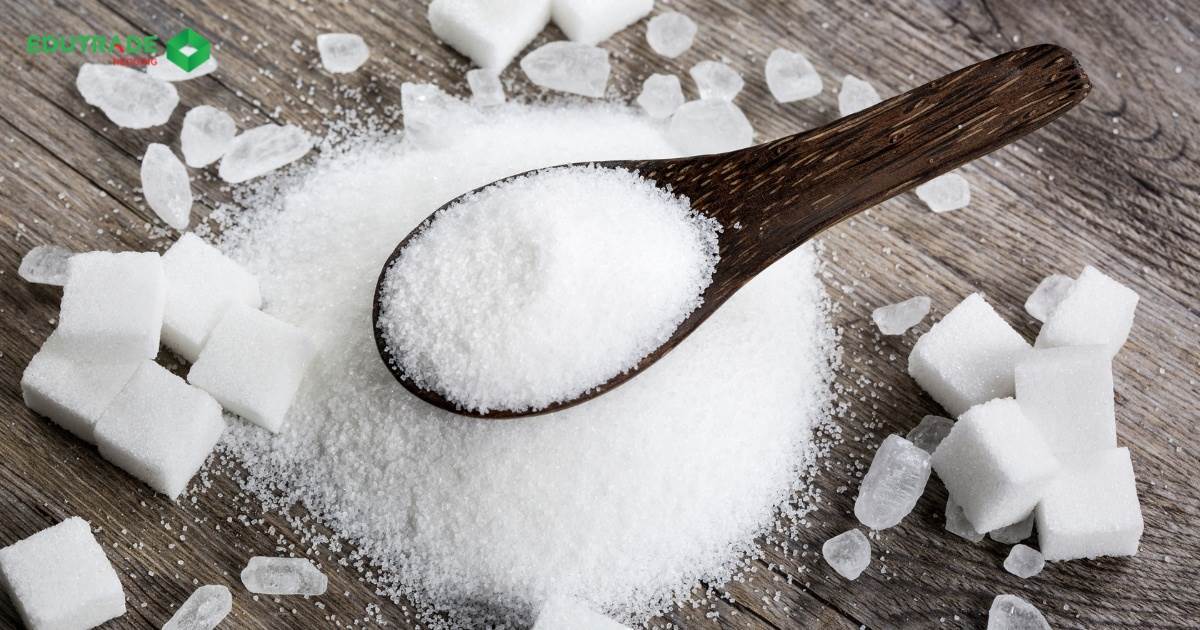
Sugar is a general term for sweet, water-soluble carbohydrates that are widely used in food.
Sugar is primarily produced from two main crops:
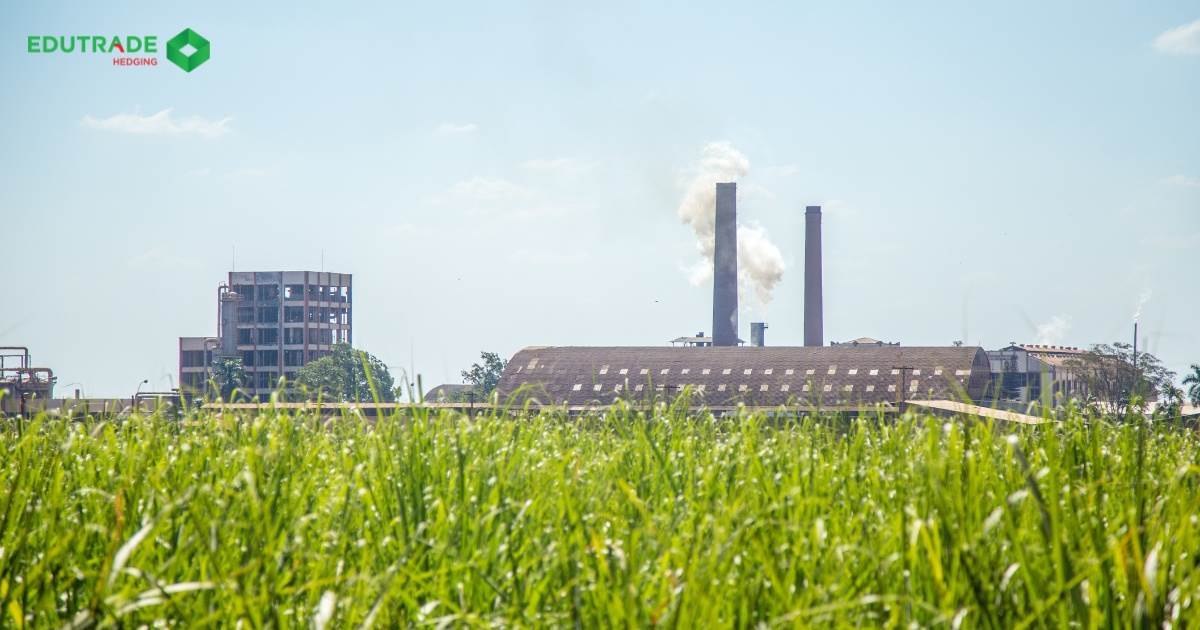
- Sugarcane: Thrives in tropical, warm regions and serves as the main raw material for sugar production worldwide.
- Sugar Beet: Grows in temperate, cold, and humid climates, commonly cultivated in Europe, Russia, and North America.
2. Cultivation Regions
- Southern Hemisphere – Sugarcane: Major producing countries include Brazil, India, Thailand, Colombia, etc. Extreme heat or drought can reduce sugarcane yield; however, high temperatures enhance sucrose concentration, improving sugar quality.
- Northern Hemisphere – Sugar Beet: Key production centers include Russia, and European countries (France, Germany, Poland). Adverse weather such as floods, frost, or heavy snowfall can stunt plant growth, reducing yield.
3. Temperature
- Sugarcane: Grows best at 21–35°C (70–95°F). Temperatures below 0°C may severely damage crops.
- Sugar Beet: Grows in humid winters and mild summers, ideally at 18–24°C. Excessive heat (>30°C) may reduce quality and yield.
4. Soil
- Sugarcane: Prefers well-drained, nutrient-rich soil. Excess nitrogen promotes leaf and stem growth but reduces sugar content.
- Sugar Beet: Requires fertile, well-drained soil with a pH of 6–7. Heavy or overly acidic soil increases the risk of pests and reduces yield.
5. Water
- Sugarcane: Needs stable moisture; excessive water or prolonged waterlogging, especially during early growth, affects development.
- Sugar Beet: Requires 60–65 cm of annual rainfall. Insufficient or excessive water reduces both yield and sugar quality.
6. Light
- Sugarcane: Requires full sunlight, particularly during stem growth and sugar accumulation.
- Sugar Beet: Needs moderate sunlight; excessive heat or prolonged shade can result in smaller beets and lower sucrose levels.
II. Uses and Benefits
Sweetness: Sweetening food remains the primary and most important function of sugar.
Fermentation: Sugar serves as a primary food source for yeast and other microorganisms, accelerating fermentation. This not only helps dough and bread rise but also supports the production of traditional products such as wine, beer, and other fermented beverages.
Texture: Sugar is critical for food structure and texture. It adds crispness to cookies, stabilizes cakes and mousses, and helps ice cream maintain smoothness and natural fluffiness.
Preservation: Sugar extends shelf life by reducing free water, limiting microbial growth, including bacteria, mold, and yeast, preventing spoilage.
Color: When heated, sugar reacts with proteins in food (Maillard reaction), producing an attractive golden color in cookies, pastries, and baked goods.
III. Cultivation and Harvest
Seasonal Sugar Price Trends
Prices tend to increase and peak in February (early in the year), which coincides with the planting season.
Prices tend to decrease and hit the lowest point in September, corresponding to the harvest season.
Global Supply and Demand
- Major Producers: Brazil, India, Thailand, China, United States. Brazil accounts for a significant portion of raw sugar exports.
- Major Importers: Indonesia (~5.3 million tons), China (~4.35 million tons), USA (~3.48 million tons), India (~3.36 million tons). Other importers include Malaysia, Iran, and Bangladesh.
- Supply–Demand Balance: Supply > Demand → Price decreases; Demand > Supply → Price increases
Stocks: Low stocks → Price increases; High stocks → Price decreases. Inventory is a key indicator for ICE pricing.
Trend: High import demand and abundant supply from major producers help stabilize the market, but stocks and supply–demand balance remain decisive factors in price fluctuations.
IV. Sugar Price Cycle and Influencing Factors
Sugar derived from beet primarily serves domestic markets and has limited connection to international markets. Therefore, ICE US (Sugar 11) price analysis typically focuses on sugarcane. Sugar prices are influenced by various factors, including supply-demand balance, crude oil prices, weather, exchange rates, inflation, and futures contracts.
1. Supply-Demand Balance
Basic economic principles in the sugar market:
- Supply exceeds demand → Price decreases
- Demand exceeds supply → Price increases
- Low inventory → Price increases due to insufficient reserves to offset supply disruptions
- High inventory → Price decreases due to excess supply
Unlike oil or metals, sugar mills cannot halt production to wait for price increases, and storage capacity is limited. Any disruption during harvesting, processing, or transportation can significantly affect prices.
2. Crude Oil Market and Ethanol Relationship
Sugar and energy are closely linked through ethanol production:
- Sugarcane can be processed into sugar, ethanol, or bioelectricity.
- Rising oil prices increase the demand for alternative fuels (ethanol) → Sugar output decreases → Sugar prices rise.
- Falling oil prices → Sugar output increases → Sugar prices decrease.
The allocation ratio between sugar and ethanol at sugar mills ranges from 50/50 to 80% sugar – 20% ethanol, causing fluctuations of approximately 10 million tons of sugar in the market.
3. Weather in Brazil
Brazil, as the largest sugar producer and exporter, is highly weather-sensitive:
- Drought → Reduced sugarcane yield → Higher sugar prices
- Excessive rainfall → Delayed harvest, lower sugar content → Higher sugar prices.
- El Niño can affect water availability, impacting sugarcane production in Brazil and India.
Extreme weather slows harvesting and reduces sugar content per ton (ATR), directly affecting supply and pricing.
4. BRL/USD Exchange Rate
Sugar production costs in Brazil are calculated in BRL, while sugar futures are quoted in USD:
- BRL appreciates → Higher domestic costs → Exports decrease → Sugar prices in USD increase
- BRL depreciates → Exports increase → Sugar prices in USD decrease
Exchange rate fluctuations directly impact the competitiveness of Brazilian sugar exports.
5. Inflation and Futures Contracts
Sugar futures are considered a hedging tool against inflation:
- Rising inflation → Futures prices increase
- Falling inflation → Futures prices decrease
Although not a one-to-one relationship, sugar futures reflect market inflation expectations.
6. Key Reports
UNICA: Brazilian Sugarcane Industry Association representing sugar, ethanol, and bioelectricity producers in Central-South Brazil. UNICA reports significantly influence sugar prices.
International Sugar Organization (ISO): Headquartered in London, UK, established under the International Sugar Agreement to exchange information, compile global sugar market statistics, and promote trade cooperation. ISO does not directly regulate prices or quotas. ISO currently has approximately 85 member countries:
- 85% of global sugar production
- 64% of global sugar consumption
- 37% of global sugar imports
- 93% of global sugar exports
ISO reports are subscription-based. Edu Trade provides early insights and analyses from ISO.
According to 2024 statistics from “isosugar.org,” updated by EDT on 17/12/2025.
7. Summary of Key Relationships
| Factor | Impact on Sugar Price |
| Supply–Demand | Supply > Demand → Price decreases; Demand > Supply → Price increases |
| Inventory | Low → Price increases; High → Price decreases |
| Crude Oil Price | Increase → Sugar price increases; Decrease → Sugar price decreases |
| Brazilian Weather | Drought → Price increases; Heavy rain → Price increases |
| BRL/USD Exchange Rate | BRL ↑ → Sugar price in USD ↑; BRL ↓ → Sugar price in USD ↓ |
| Inflation | Increase → Futures price ↑; Decrease → Futures price ↓ |
V. Key Strategies for Effective SUGAR 11 US (ICE US – SBE) Investment
1. In-Depth Understanding of the Product and Trading Specifications
Develop a comprehensive understanding of sugar as a global agricultural commodity, including its physical characteristics, types (cane sugar, beet sugar), quality standards, end-use applications (food processing, confectionery, beverages), and its role in the global food supply chain.
Fully understand the specifications of Sugar 11 futures contracts traded on ICE US – SBE, including contract size, pricing unit, minimum tick size, delivery months, delivery locations, and trading hours.
Closely monitor key sugar market indicators, such as:
- Open Interest and managed money positioning,
- Certified sugar inventories at ICE warehouses,
- Global production and export data from major producing countries (Brazil, India, Thailand, etc.),
- Futures forward curve structure (contango/backwardation),
- Currency movements (USD/BRL).
→ These indicators help investors assess supply-demand balance and identify short- to medium-term sugar price trends.
2. Utilizing Hedging and Risk Management Instruments
Sugar futures are critical for:
Sugar processors and food manufacturers: Locking in raw material costs to protect profit margins from price volatility.
Exporters and traders: Managing price risks associated with fluctuating physical sugar prices and shipment timing.
Hedge funds and financial investors: Capitalizing on sugar price volatility while diversifying and managing risks in commodity portfolios.
3. Staying Informed on Factors Influencing Sugar Prices
Sugar prices are highly sensitive to:
- Weather conditions in major producing regions, especially Brazil, India, and Thailand,
- Production disruptions and crop diseases,
- Political and regulatory developments, including trade policies and sustainability measures,
- Currency fluctuations, particularly USD and BRL,
- Global sugar demand trends and economic conditions in major consuming markets.
Investors should closely track:
- Quarterly production and export reports,
- ICE-certified stock levels,
- Weather indicators (drought, rainfall patterns, El Niño/La Niña),
- Government policy announcements from major producing countries.
→ Continuous monitoring enables a more accurate assessment of sugar market fundamentals and price direction.
4. Consulting Commodity Market Experts
Edu Trade is a reputable organization and a leading member of the Vietnam Mercantile Exchange (MXV), specializing in consultancy and training for commodity derivatives investment.
With over 10 years of practical market experience, Edu Trade’s expert team continuously tracks global commodity markets, delivering timely, objective, and data-driven insights to investors.
Edu Trade regularly organizes professional training programs on commodity derivatives, helping investors:
- Develop effective trading strategies,
- Proactively manage risks,
- Avoid common and preventable investment mistakes.
Edu Trade aims to provide investors with a clear and practical understanding of SUGAR 11 US (ICE US – SBE).
For professional consultation and dedicated support on trading sugar futures or participating in the commodity derivatives market, please contact our Hotline: 0866.212.677.

Nhận Định 08.04.2025 | Nhóm Nguyên Liệu
#edutrade #giaodichhanghoa #dautuhanghoa Công ty cổ phần EDUTRADE tự hào là đơn vị tư…

Nhận Định 07.04.2025 | Nhóm Nguyên Liệu
#edutrade #giaodichhanghoa #dautuhanghoa Công ty cổ phần EDUTRADE tự hào là đơn vị tư…

Nhận Định 04.04.2025 | Nhóm Nguyên Liệu
#edutrade #giaodichhanghoa #dautuhanghoa Công ty cổ phần EDUTRADE tự hào là đơn vị tư…

Nhận Định 03.04.2025 | Nhóm Nguyên Liệu
#edutrade #giaodichhanghoa #dautuhanghoa Công ty cổ phần EDUTRADE tự hào là đơn vị tư…

Nhận Định 02.04.2025 | Nhóm Nguyên Liệu
#edutrade #giaodichhanghoa #dautuhanghoa Công ty cổ phần EDUTRADE tự hào là đơn vị tư…

Nhận Định 01.04.2025 | Nhóm Nguyên Liệu
#edutrade #giaodichhanghoa #dautuhanghoa Công ty cổ phần EDUTRADE tự hào là đơn vị tư…

Nhận Định 31.03.2025 | Nhóm Nguyên Liệu
#edutrade #giaodichhanghoa #dautuhanghoa Công ty cổ phần EDUTRADE tự hào là đơn vị tư…

Nhận Định 27.03.2025 | Nhóm Nguyên Liệu
#edutrade #giaodichhanghoa #dautuhanghoa Công ty cổ phần EDUTRADE tự hào là đơn vị tư…

Nhận Định 25.03.2025 | Nhóm Nguyên Liệu
#edutrade #giaodichhanghoa #dautuhanghoa Công ty cổ phần EDUTRADE tự hào là đơn vị tư…

Nhận Định 24.03.2025 | Nhóm Nguyên Liệu
#edutrade #giaodichhanghoa #dautuhanghoa Công ty cổ phần EDUTRADE tự hào là đơn vị tư…