


 Facebbook
 Tiktok
 Youtube
 Zalo
Zalo Linkedin
 Investment community
 Instagram
|
Rough Rice (ZRE – CBOT) |
|
| Size | Full |
| Exchange | CBOT (Chicago Board of Trade ) |
| Commodity code | ZRE |
| Contract lot value (market price) | Commodity price * contract size |
| Contract size | 2,000 cwt ~ 91 tons; (1 cwt ~ 45.3kg) |
| Margin (changes according to MXV) | 10% of contract lot value |
| Trading price step | 0.005 ~ $10/lot |
| Quoted unit | cent/cwt |
| Profit/loss fluctuation $1/lot | $2,000 |
| Trading period | 1;3;5;7;9;11 |
| Trading schedule | Monday – Friday |
| Trading session (winter opens 60 minutes late) | 07:00 – 09:00
20:30 – 01:20 (next day) |
| Price range | Initial price limit: $1.10/cwt
Expanded price limit: $1.65/cwt |
| Quality standard | Long grain rough rice type 1, Long grain rough rice type 2 |
| Delivery Registration Date | 5th business day before the first notice day |
| First notice day | Last business day of the month immediately preceding the expiration month |
| Last trading day | Business day 15 days before the expiration month |
| Payment method | Physical delivery |
Rough rice (unmilled rice) refers to rice that has not undergone any processing. This type of rice typically appears brown or white. White rice has had its bran and germ removed, whereas brown rice retains its nutritious germ and outer bran layer. Notably, rough rice has become a highly profitable commodity in the derivatives market and has recently attracted significant investor interest.
To better understand this product, follow Edu Trade’s insights below.
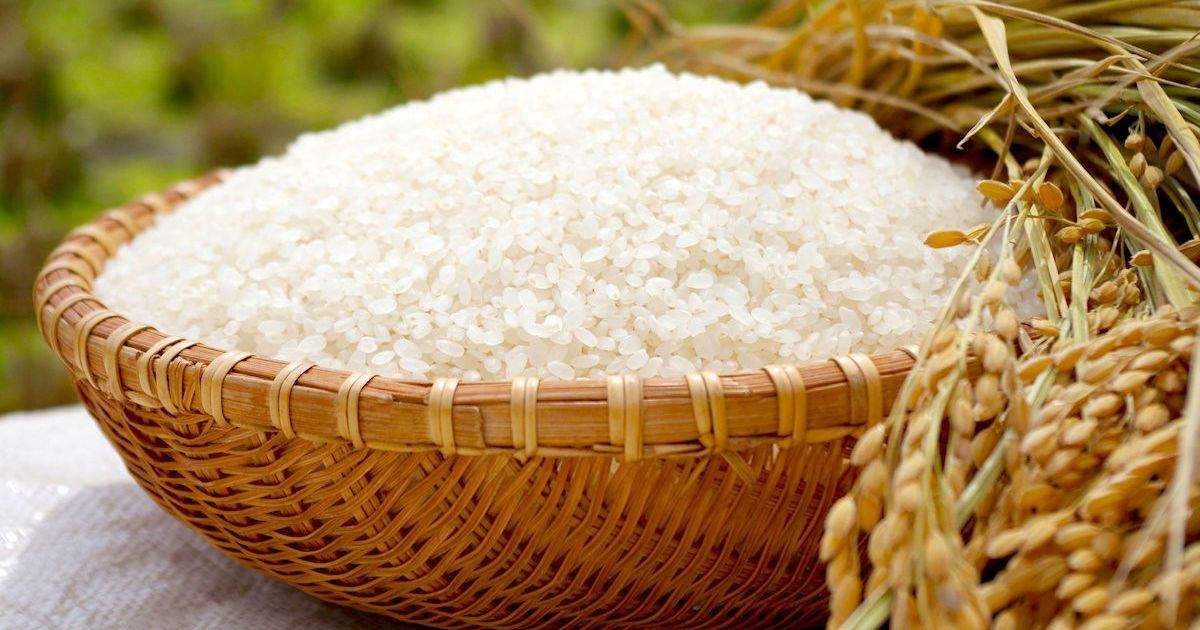
1. Introduction to Rough Rice on CBOT
Cultivation:
The cultivation process for rough rice involves several key steps:
Seed Selection: Farmers must choose rice varieties suitable for local climate, soil conditions, and planting season. High-yield, good-quality, pest-resistant varieties are preferred.
Land Preparation: Fields are plowed and leveled. Appropriate base fertilizers are applied, such as composted manure, phosphate, and potassium.
Sowing: Before planting, seeds are treated by drying, soaking in warm water, and germination. Planting density is typically around 100–120 kg/ha.
Care: During the post-sowing stage, tillering, panicle formation, and flowering, farmers must provide sufficient irrigation and apply fertilizers according to the plant’s growth stages.
Harvesting:
Harvest Timing:Rice should be harvested when grains are uniformly golden, firm, and husks turn yellow-brown. Rough rice is usually harvested 1–2 weeks earlier than regular rice to ensure quality.
Harvesting Method:Rice can be harvested manually or with machines. Harvesting should occur on dry, sunny days to avoid sprouting or spoilage.
Drying: Rice should be dried on drying yards or using rice dryers to maintain moisture content below 14%.
Storage: Store rice in dry, ventilated areas, avoiding moisture and pests to maintain optimal quality.
2. Factors Affecting CBOT Rough Rice Prices
Supply and Demand:
Supply and demand are the most critical factors influencing rough rice prices. A decrease in supply or an increase in demand tends to drive prices upward, while an increase in supply or decrease in demand may reduce prices.
Crop Season:
Global harvest conditions significantly affect rough rice prices. Natural events such as floods, droughts, or pest outbreaks that reduce supply can increase prices.
Cultivated Area:
The rice planting area of exporting countries also affects CBOT rough rice production and pricing.
An increase in cultivated area may lead to higher production and lower prices.
Conversely, a reduction in planting area may decrease production, driving prices up.
Inventory Levels and Output:
Rough rice stock levels in exporting and importing countries impact prices. High stock levels may depress prices, while low stocks may push prices higher.
Global rice production is a key determinant of CBOT rough rice prices. Increased production may lower prices, whereas reduced production can raise prices.
Climate and Weather:
Climate change and extreme weather events such as droughts, floods, and storms can affect rice output, leading to price fluctuations on the CBOT market.
Major Rice Exporting Countries:
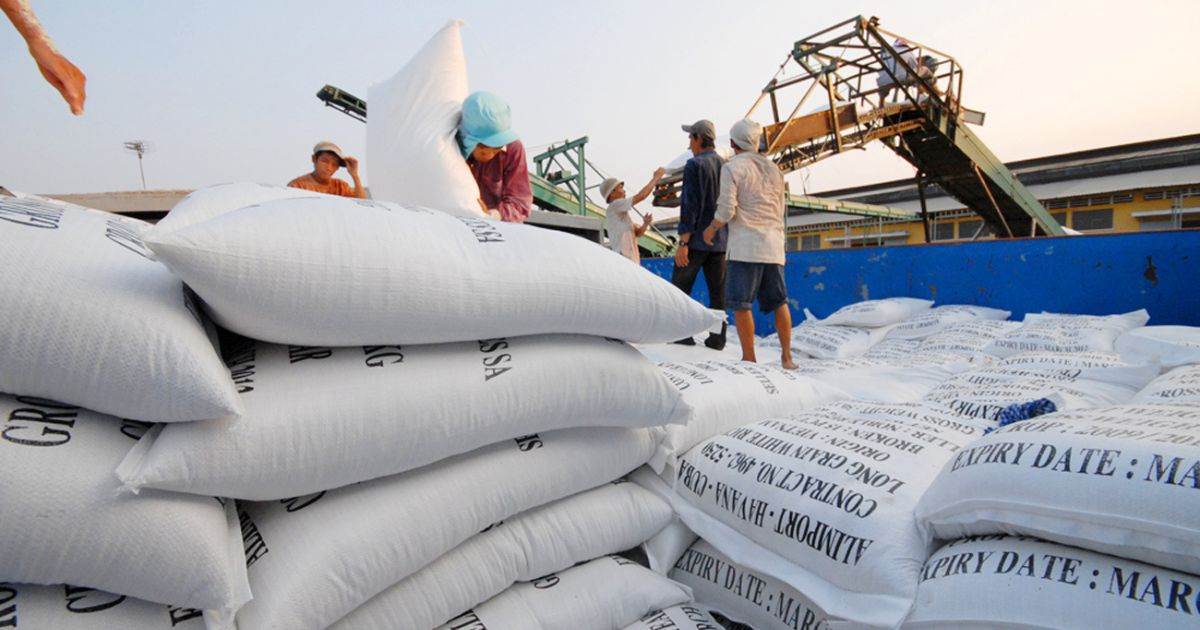
The export activities of major rice exporters—Thailand, Vietnam, India, China, the U.S., etc.—also influence CBOT rough rice prices. Changes in export volumes from these countries can cause price movements.
According to industry association data, in the first six months of 2025, India maintained its position as the world’s largest rice exporter with 11.68 million tons exported, a 36.5% increase year-on-year. Vietnam followed with 4.72 million tons, a 3.6% growth, indicating stable export activity amid global market volatility.
In contrast, exports from other countries declined significantly: Thailand exported 3.73 million tons (-27.3%), Pakistan 2.76 million tons (-20.2%), and the U.S. 1.4 million tons (-23.5%). These developments highlight clear differences in supply capacity and competitiveness among global rice exporters, directly affecting the supply-demand balance and global rice price trends. (Source: Vietnamplus.vn – 05/08/2025)
3. Strategies for Effective CBOT Rough Rice Investment
In-depth product knowledge:
Investors need to understand contract specifications for rough rice, including contract size, delivery price, and trading procedures
They should also be aware of key factors affecting prices: supply and demand, crop season, planting area, stocks, production, climate, economic policies, market sentiment, and prices of other grains, enabling informed investment decisions..
Hedging Strategy for Exporters:
Companies can purchase rough rice futures contracts to lock in future selling prices, protecting profits against price volatility.
Risk mitigation: Businesses can forecast future prices and plan production and sales accordingly.
Suitable for Small Investors and Mid- to Long-Term Investment:
Low Initial Capital: Investors can participate in the CBOT rough rice market through reputable brokers with minimal capital.
High Profit Potential: The volatile nature of rough rice allows investors to earn significant profits if market trends are accurately predicted.
Medium- to Long-Term Investment: Both businesses and investors need a long-term perspective to succeed, given the market’s volatility and the time required for analysis and decision-making.
Consult Edu Trade Experts:
- Training Courses: Edu Trade provides in-depth courses on derivatives trading, helping investors gain knowledge and skills for effective investment.
- Professional Advice: Edu Trade’s experienced team is available to advise and support investors in making informed investment decisions
These are Edu Trade’s insights on CBOT Rough Rice. If you are interested in participating in the commodity derivatives market, please contact Edu Trade via Hotline: 0866.212.677 for detailed consultation.
Edu Trade – Leading member of the Vietnam Commodity Exchange.

Nhận Định 08.04.2025 | Nhóm Nông Sản
#edutrade #giaodichhanghoa #dautuhanghoa Công ty cổ phần EDUTRADE tự hào là đơn vị tư…

Nhận Định 07.04.2025 | Nhóm Nông Sản
#edutrade #giaodichhanghoa #dautuhanghoa Công ty cổ phần EDUTRADE tự hào là đơn vị tư…

Nhận Định 04.04.2025 | Nhóm Nông Sản
#edutrade #giaodichhanghoa #dautuhanghoa Công ty cổ phần EDUTRADE tự hào là đơn vị tư…

Nhận Định 03.04.2025 | Nhóm Nông Sản
#edutrade #giaodichhanghoa #dautuhanghoa Công ty cổ phần EDUTRADE tự hào là đơn vị tư…

Nhận Định 02.04.2025 | Nhóm Nông Sản
#edutrade #giaodichhanghoa #dautuhanghoa Công ty cổ phần EDUTRADE tự hào là đơn vị tư…

Nhận Định 01.04.2025 | Nhóm Nông Sản
#edutrade #giaodichhanghoa #dautuhanghoa Công ty cổ phần EDUTRADE tự hào là đơn vị tư…

Nhận Định 31.03.2025 | Nhóm Nông Sản
#edutrade #giaodichhanghoa #dautuhanghoa Công ty cổ phần EDUTRADE tự hào là đơn vị tư…

Nhận Định 27.03.2025 | Nhóm Nông Sản
#edutrade #giaodichhanghoa #dautuhanghoa Công ty cổ phần EDUTRADE tự hào là đơn vị tư…

Nhận Định 25.03.2025 | Nhóm Nông Sản
#edutrade #giaodichhanghoa #dautuhanghoa Công ty cổ phần EDUTRADE tự hào là đơn vị tư…

Nhận Định 24.03.2025 | Nhóm Nông Sản
#edutrade #giaodichhanghoa #dautuhanghoa Công ty cổ phần EDUTRADE tự hào là đơn vị tư…