


 Facebbook
 Tiktok
 Youtube
 Zalo
Zalo Linkedin
 Investment community
 Instagram
|
Natural Gas - NYMEX |
||
| Size | Full | Mini |
| Exchange | New York Mercantile Exchange ( NYMEX ) | New York Mercantile Exchange ( NYMEX ) |
| Commodity code | NGE | NQG |
| Contract lot value (market price) | Commodity price * contract size | Commodity price * contract size |
| Contract size | 10,000 mmBtu | 2,500 mmBtu |
| Margin (changes according to MXV) | 10% of contract lot value | 10% of contract lot value |
| Trading price step | 0.001 ~ $10/lot | 0.005 ~ $12.5/lot |
| Quoted unit | Usd/mmBtu | Usd/mmBtu |
| Profit/loss fluctuation $1/lot | $10,000 | $2,500 |
| Trading month | 12 months | 12 months |
| Trading hours | Monday – Friday | Monday – Friday |
| Trading session
(winter opens 60 minutes late) |
05:00 – 04:00 (next day) | 05:00 – 04:00 (next day) |
| Price range | Not specified | Not specified |
| Quality standard | According to Brent crude oil standards regulated at Comex commodity exchange | According to Brent crude oil standards regulated at Comex commodity exchange |
| Delivery Registration Date | 5th working day, before the
first notice |
5th working day, before the
first notice |
| First notice day | Last working day of
month immediately preceding the expiration month |
Last working day of
month immediately preceding the expiration month |
| Last trading day | Before the first working day of the previous month 3 working days to maturity | Before the first working day of the previous month 3 working days to maturity |
| Payment method | No physical delivery | No physical delivery |
I. General Overview of the Product
1. General Introduction to Natural Gas
Oil – Coal – Natural Gas
Natural gas is the third most important energy source in the world, following crude oil and coal. Similar to oil and coal, natural gas is a fossil fuel composed of a mixture of gases formed underground through the anaerobic decomposition of organic matter, with methane being the primary component. Natural gas plays an increasingly important role in the global energy mix due to its high efficiency and lower pollution levels compared to other fossil fuels.
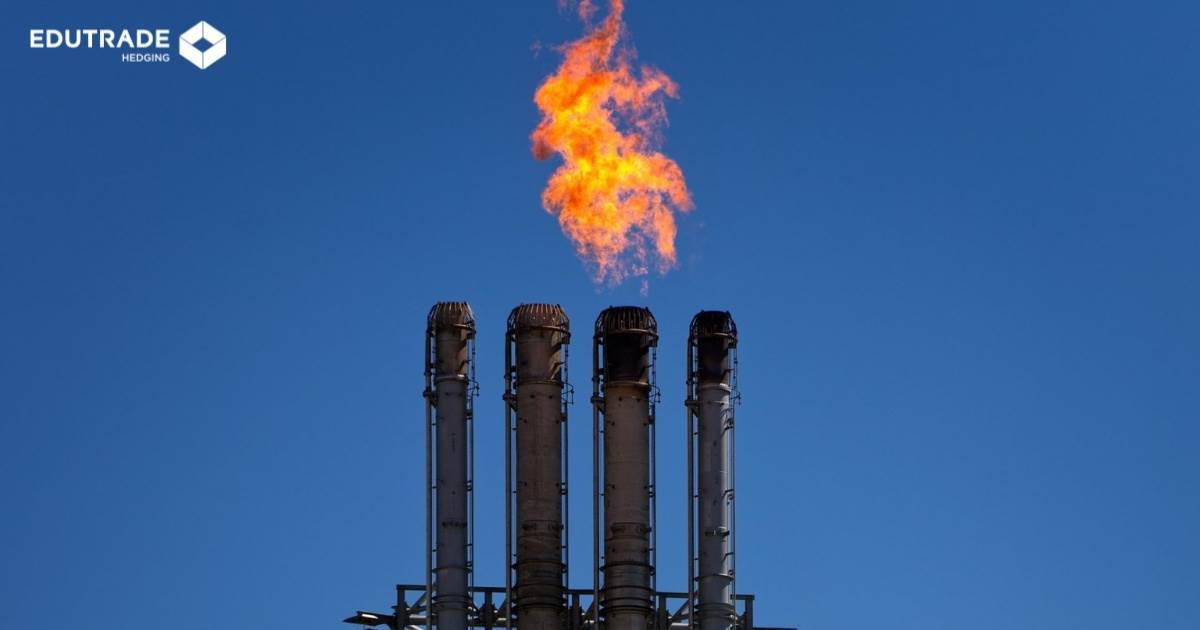
Natural gas was first commercially developed in 1825 in the United States and became a major global energy source from the 1970s onward.
According to the U.S. Energy Information Administration (EIA), by 2035 natural gas is expected to account for approximately 25% of the global energy market, rising to second place and pushing coal down to third.
This indicates that natural gas is the only fossil fuel projected to grow during the new economic era.
Pure natural gas is colorless and odorless.
Gaseous state: Density ranges from 0.68 to 0.85 kg/m³.
Liquid state: Density is approximately 400 kg/m³. When cooled to around −160°C (−260°F), natural gas becomes LNG (Liquefied Natural Gas), enabling efficient maritime transportation and global market integration.
In nature, natural gas is found in sedimentary layers of the Earth’s crust and is formed alongside crude oil under high temperature and pressure conditions. It is extracted through pressurized gas wells.
L-GAS and H-GAS
Low-calorific natural gas (L-GAS):
Methane content: 80%–90%
Requires additional processing to meet the standard of 11.1 kWh/m³ before being supplied for direct consumption
High-calorific natural gas (H-GAS):
Methane content: 87%–99%
In global markets, natural gas prices are quoted in USD per MMBtu. Btu is a British thermal unit, with the conversion rate of approximately 1 MMBtu ≈ 27.096 m³.
Millions to hundreds of millions of years ago, the remains of plants and animals (such as algae) accumulated over long periods on the Earth’s surface and ocean floors, sometimes mixed with sand, silt, and calcium carbonate. Over time, these layers were buried under sediments and rock. Heat and pressure transformed carbon- and hydrogen-rich materials into coal, crude oil, and natural gas.
Natural gas extracted from gas wells or crude oil wells is referred to as “wet natural gas” because, in addition to methane, it often contains natural gas liquids (NGLs) such as ethane, propane, butane, pentanes, and water vapor. It may also contain non-hydrocarbon components such as sulfur, helium, nitrogen, hydrogen sulfide, and carbon dioxide. Most of these impurities must be removed before the gas is sold to consumers.
LNG is natural gas that has been cooled to −260°F (−160°C), at which point it becomes liquid and can be transported globally using specialized cryogenic vessels.
Upon reaching its destination, LNG can be regasified and transported through conventional pipeline systems. Prior to the development of LNG, global gas markets operated independently, relying primarily on localized pipeline networks.
Top 10 Countries with the Largest Natural Gas Reserves
- Russia
- Iran
- Qatar
- United States
- Turkmenistan
- Saudi Arabia
- United Arab Emirates
- China
- Nigeria
- Venezuela
2. Benefits of Natural Gas
Natural gas is the cleanest fossil fuel and a highly efficient energy source.
- Its simple chemical composition contains fewer impurities, resulting in lower pollution levels.
- Using natural gas instead of oil or coal produces fewer greenhouse gases, acid rain precursors, particulates, and other harmful pollutants.
- It supports the development of cleaner energy technologies; natural gas is used as a feedstock in automobiles, wind turbine components, and energy-efficient materials.
- Approximately 90% of natural gas production is delivered as usable energy, compared to only about 30% efficiency in electricity generation delivered to end users.
- Global flexibility: With LNG, natural gas can be transported worldwide, connecting energy markets and enhancing energy security for importing countries.
3. Natural Gas Consumption by Sector
Natural gas is consumed across multiple sectors:
- Power generation: The largest consumer in many countries, especially during summer due to increased air-conditioning demand.
- Residential & commercial: Used for heating and cooking, with demand peaking in winter.
- Industrial: Used as fuel and feedstock in chemical, fertilizer, and steel production.
- Transportation: Compressed Natural Gas (CNG) and LNG are used as alternative fuels.
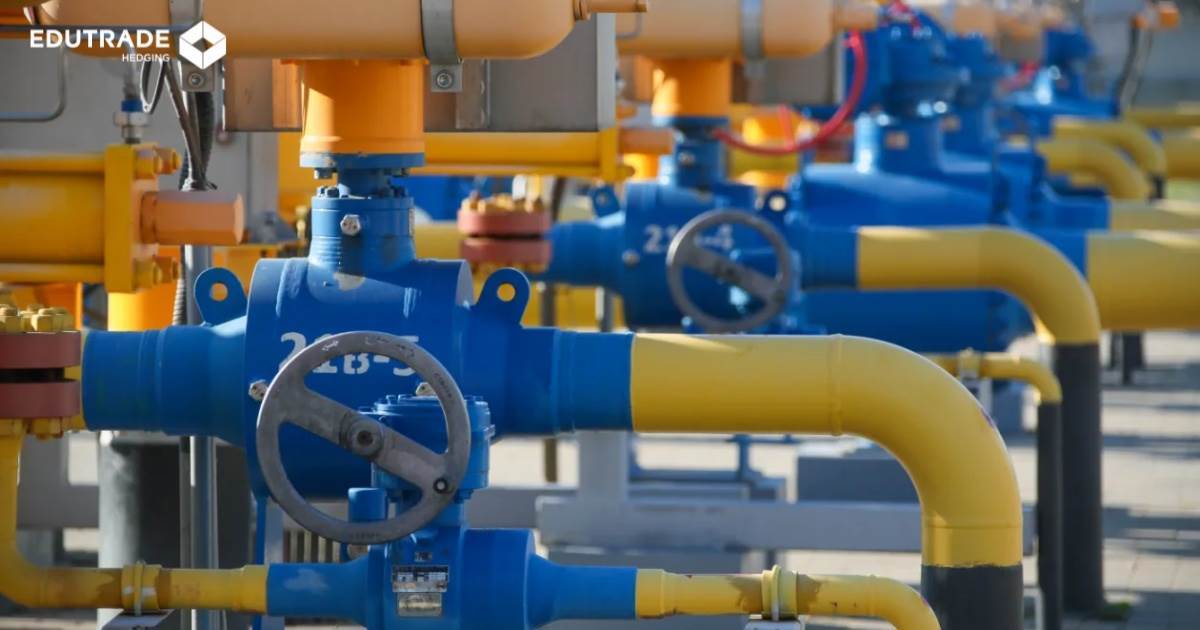
II. Factors Affecting Copper Prices
Key factors include weather and seasonality, U.S. economic conditions, crude oil prices, competing commodities, storage levels, and the value of the U.S. dollar.
1. Weather and Seasonality
Weather
- Extreme weather events (storms, severe cold, heatwaves) affect production, transportation, and gas supply, potentially disrupting supply and driving prices higher.
- Extreme temperatures also increase electricity demand (for heating or cooling), impacting short-term market prices.
Seasonality
- Winter: Heating demand rises sharply, often pushing prices higher.
- Summer: Electricity demand increases due to air conditioning, affecting gas consumption for power generation.
- Late spring & early autumn: Lower demand periods, typically associated with lower prices.
Consumption follows a seasonal cycle: peaks in summer and winter, and troughs in spring and autumn.
Industrial demand is the least seasonal, fluctuating between approximately 22 Bcf/d in winter and 18 Bcf/d in summer.
Historically, average natural gas prices over 5-, 10-, and 15-year periods tend to bottom in April and September, with peaks typically occurring mid-summer (June–July) and in winter (October–December).
2. Crude Oil Prices
Historically, crude oil and natural gas prices have tended to move together due to supply and demand linkages, although their correlation weakened during the 2008–2016 period.
Resource Competition:Crude oil and natural gas compete for drilling resources at the wellhead.
Natural gas is produced from three types of wells:
- • Associated wells: Primarily produce oil, with natural gas as a byproduct.
- • Non-associated wells: Produce only natural gas, sometimes with minimal oil.
- • Condensate wells: Produce natural gas along with natural gas liquids (NGLs).
Since most exploration and production companies produce both oil and gas, capital allocation decisions depend on expected returns from each commodity.
Fuel Substitution: Certain refined petroleum products compete directly with natural gas in power generation and industrial use.
Rising crude oil prices may encourage substitution toward natural gas, increasing demand and prices for gas.
Over time, natural gas prices tend to converge with those of competing fuels.
3. Storage Levels
Natural gas storage plays a critical role in meeting peak demand.
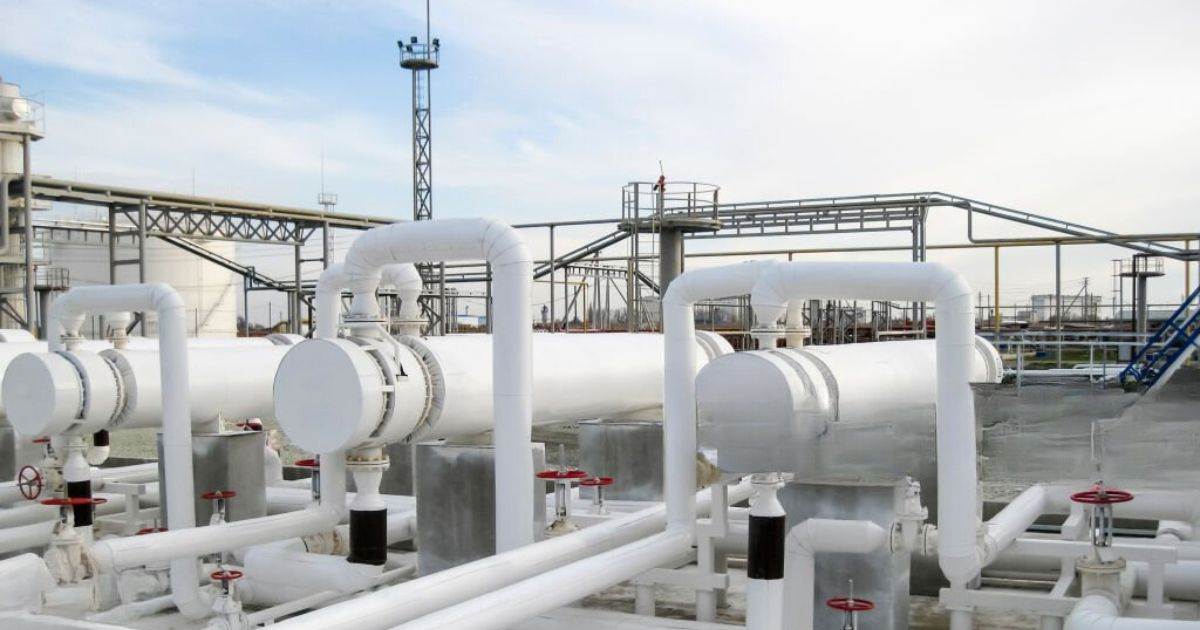
Natural gas volumes held in underground storage facilities play a critical role in overall supply dynamics. Storage serves as a balancing mechanism, enabling the market to meet seasonal demand fluctuations and short-term demand spikes that domestic production and imports alone may not be able to accommodate.
During periods of subdued demand, storage facilities absorb excess domestic supply, thereby stabilizing the market. In addition, storage infrastructure supports pipeline operations and enhances liquidity at major trading hubs.
Typically, natural gas inventories build from April through October, when aggregate demand is lower. In recent years, however, injection activities have often extended into the first half of November. Conversely, storage levels generally decline from November through March, reflecting elevated consumption driven primarily by heating demand.
4. U.S. Economic Conditions
The strength of the broader economy has a direct impact on the natural gas market. During periods of economic expansion, natural gas prices tend to rise in tandem with increased consumption.
A robust economic environment typically reflects strong growth across industrial and commercial sectors. As industrial output and business activity accelerate, demand for natural gas can surge significantly.
Companies experiencing higher demand for their goods and services consequently increase their energy consumption, driving greater reliance on natural gas as a primary fuel source.
As multiple sectors of the economy expand simultaneously—particularly energy-intensive industries such as manufacturing, chemicals, power generation, and heavy industry—aggregate demand for natural gas rises substantially, exerting upward pressure on prices.
5. Competition Among Energy Resources
Companies typically seek to optimize input costs by utilizing the most cost-effective fuel source available in order to maintain production margins.
Given the high degree of interconnectivity among fuel markets—namely crude oil, natural gas, and coal—shifts in relative pricing or market preference in one energy segment often trigger substitution effects across the others. A change in demand dynamics in one market can therefore exert downward pricing pressure on competing fuels.
For example, when power generators switch to coal due to favorable pricing, demand for natural gas and oil may decline accordingly. As demand softens, prices typically adjust downward in response.
Given the substantial volumes associated with energy consumption, even marginal price fluctuations can materially influence demand patterns and fuel allocation decisions across industries.
6. U.S. Dollar
Natural gas prices have a strong inverse relationship with the U.S. dollar.
- A weaker dollar makes dollar-denominated commodities cheaper for importing countries.
- Increased import demand leads to higher natural gas prices.
In simple terms:
- USD strengthens → Natural gas prices decline
- USD weakens → Natural gas prices rise
III. Strategies for Effective Natural Gas Investment
1. Understanding the Product and Trading Rules
- Gain a solid understanding of quality standards at major hubs such as Henry Hub (U.S.) and TTF (Europe), including methane content, calorific value, and moisture levels.
- Understand futures contract specifications and maturities on NYMEX (Henry Hub) and European exchanges such as ICE.
- Monitor key indicators such as open interest, natural gas inventories, storage capacity, and the futures price curve to assess market trends.
2. Utilizing Risk Hedging Instruments
Natural gas futures contracts are essential tools for:
- Power producers and industrial users: Locking in gas prices to forecast production and operating costs.
- Transportation and logistics companies: Hedging CNG/LNG fuel costs.
- Hedge funds and financial investors: Managing risk exposure and capitalizing on price volatility.
3. Staying Updated on News and Policy Developments
- Natural gas prices are directly affected by energy policies, storage levels, production activities, output fluctuations in major regions (U.S., Russia, Middle East), and geopolitical events.
- Investors should closely follow economic news, production decisions by major producers, and weekly gas inventory reports from agencies such as the EIA and IEA.
4. Suitable for High-Risk Investors
- Natural gas is highly volatile due to seasonality, weather conditions, and energy demand, making it suitable for investors with a high risk tolerance.
- Investors should assess their risk capacity, start with smaller capital allocations, and scale up as experience increases.
- Short-term trading strategies: Capitalizing on daily or weekly price movements to generate returns from natural gas volatility.
5. Consulting Edu Trade Experts
- Edu Trade is a leading and reputable member of the Vietnam Mercantile Exchange (MXV), providing commodity investment advisory services, including natural gas.
- With over 10 years of hands-on market experience, Edu Trade’s experts deliver timely and accurate market insights to help investors develop effective strategies and mitigate risks.
- Edu Trade regularly organizes training programs to enhance commodity trading knowledge and skills, while offering in-depth consultation to help investors seize opportunities and make timely decisions.
Edu Trade hopes that the above information has helped investors gain a clearer understanding of Natural Gas - NGE
If you are interested in investing in this commodity or participating in the commodity derivatives market, please contact our Hotline: 0866.212.677 for professional consultation and support.
Edu Trade – Leading Member of the Vietnam Commodity Exchange (MXV)

Nhận Định 19.06.2024 | Nhóm Năng Lượng
#edutrade #giaodichhanghoa #dautuhanghoa Công ty cổ phần EDUTRADE tự hào là đơn vị tư…

Nhận Định 18.06.2024 | Nhóm Năng Lượng
#edutrade #giaodichhanghoa #dautuhanghoa Công ty cổ phần EDUTRADE tự hào là đơn vị tư…

Nhận Định 17/06/2024 – Nhóm Năng Lượng
#edutrade #giaodichhanghoa #dautuhanghoa Công ty cổ phần EDUTRADE tự hào là đơn vị tư…

Nhận Định 13/06/2024 – Nhóm Năng Lượng
#edutrade #giaodichhanghoa #dautuhanghoa Công ty cổ phần EDUTRADE tự hào là đơn vị tư…

Kiến thức hàng hóa – Phái Sinh Là…
#edutrade #giaodichhanghoa #dautuhanghoa Công ty cổ phần EDUTRADE tự hào là đơn vị tư …