


 Facebbook
 Tiktok
 Youtube
 Zalo
Zalo Linkedin
 Investment community
 Instagram
|
WHEAT ( ZWA – CBOT ) |
|||
| Size | Full | Mini | Micro |
| Exchange | CBOT (Chicago Board of Trade ) | CBOT (Chicago Board of Trade ) | CBOT (Chicago Board of Trade ) |
| Commodity code | ZWA | XW | MZW |
| Contract lot value | Commodity price * contract size | Commodity price * contract size | Commodity price * contract size |
| Contract size | 5,000 bushels ~ 100 tons | 1,000 bushels ~ 20 tons | 500 bushels/lot ~ 10 tons |
| Margin (changes according to MXV) | 10% of contract lot value | 10% of contract lot value | 10% of contract lot value |
| Trading price step | 0.25 ~ $12.5/lot | 0.125 ~ $1.25/lot | 0.5~ $2.5/lot |
| Quoted unit | cents/bushel | cents/bushel | cents/bushel |
| Profit/loss fluctuation 1/lot | $50 | $10 | $5 |
| Trading month | 3;5;7;9;12 | 3;5;7;9;12 | 3;5;7;9;12 |
| Trading hours | Monday – Friday | Monday – Friday | Monday – Friday |
| Trading session
(winter opens 60 minutes late) |
07:00 – 19:45
20:30 – 01:20 (next day) |
07:00 – 19:45
20:30 – 01:20 (next day) |
07:00 – 19:45
20:30 – 01:20 (next day) |
| Price range | Initial price limit: $0.5/bushel
Expanded price limit: $0.75/bushel |
Initial price limit: $0.5/bushel
Expanded price limit: $0.75/bushel |
Initial price limit: $0.35/bushel
Expanded price limit: $0.55/bushel |
| Quality standard | SRW wheat type 1, type 2 | SRW wheat type 1, type 2 | SRW wheat type 1, type 2 |
| Delivery Registration Date | 5th working day, before the
first notice |
5th working day, before the
first notice |
According to MXV regulations |
| First notice day | Last working day of
month immediately preceding the expiration month |
Last working day of
month immediately preceding the expiration month |
Last working day of
month immediately preceding the expiration month |
| Last trading day | Working day 15 days prior
of the expiration month |
Working day 15 days prior
of the expiration month |
6th working day, before the
first notice |
| Payment method | Physical delivery | Physical delivery | No physical delivery |
I. General Overview of the Product
1. General Introduction
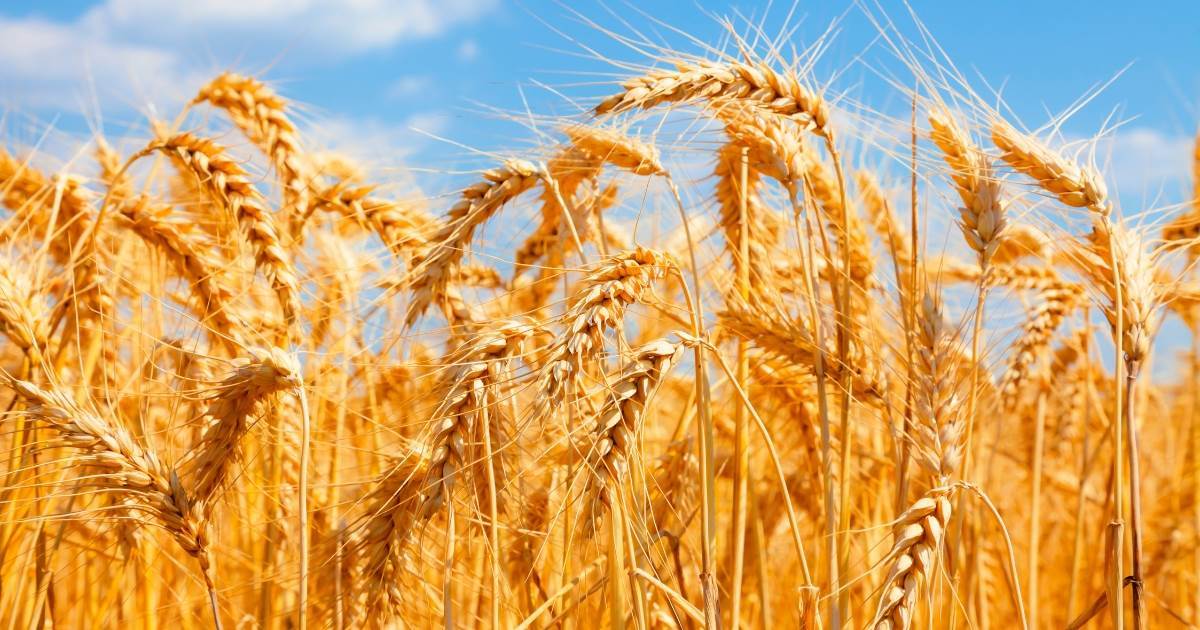
Wheat, or Triticum, is a grass species cultivated widely around the world. For centuries, wheat has been one of the most important staple crops cultivated by civilizations globally.
Today, among cereals, wheat is the second most produced and consumed crop worldwide, second only to maize. Farmers can easily grow wheat in a wide range of climates. It is a long-lasting crop with high nutritional value. These advantages ensure that wheat will remain a critical staple commodity.
Globally, there are approximately 30,000 wheat varieties across 14 species. Among these, about 1,000 varieties have commercial significance. Common wheat (Triticum aestivum) is the most widely cultivated variety.
Wheat is also classified by color: white wheat, red wheat (most common), and black wheat. Farmers categorize wheat by season: winter wheat and spring wheat. Additionally, wheat is classified as hard wheat and soft wheat:
- Hard wheat: Copper-colored with higher gluten content, mainly used for bread.
- Soft wheat: Light yellow, higher in starch and lower in gluten, suitable for pastries, desserts, and sauces.
Commercial wheat is primarily classified according to grain characteristics, which traders and manufacturers use to determine the type of wheat needed.
Nutritional composition of wheat is roughly: Carbohydrates: 71%, Water: 13%, Protein (mainly gluten): 13%, Fat: 1.5%.
2. Uses and Benefits
Wheat contains essential vitamins and minerals, such as B vitamins, calcium, iron, and protein. Consequently, the primary demand for wheat is for food purposes.
Food-use wheat is classified into five groups based on end-use:
- High-protein wheat
- Premium bread wheat
- All-purpose bread wheat
- Pastry and biscuit wheat
- Feed wheat
Additionally, wheat is used in other industries:
- Pharmaceuticals: Gluten from wheat is used to produce capsules.
- Paper industry: Gluten is used for coating paper products.
- Health and beauty: Wheat germ is used in soaps and creams.
Wheat plays a minor role in bioethanol production, although its usage is limited compared to other crops like maize.
3. Advantages of Wheat Futures Contracts
Wheat futures, such as those traded on CBOT (Chicago Board of Trade), offer several benefits to investors:
High liquidity:
Wheat futures have high trading volume and open interest, allowing investors to enter and exit positions without significant slippage. (Average daily trading volume: 180,000 contracts; average open interest: over 380,000 contracts).(Khối lượng giao dịch trung bình hàng ngày trung bình 180,000 đồng, vị thế mở trung bình hơn 380,000 hợp đồng.)
Electronic overnight access:
With nearly 17 hours of trading, investors can manage positions via trading platforms such as CQG.
Flexible trading opportunities:
Wheat prices are volatile due to supply-demand factors, providing opportunities for profits in both rising and falling markets. (Average daily price fluctuation: 15–30 ticks per side).giá biến động trung bình 15 – 30 giá cả 2 chiều/ngày).
Leverage:
Leverage allows investors to control larger positions with smaller capital. While it can enhance potential profits, it also increases risk if the market moves against expectations.

4. Seasonal Price Trends
Prices tend to rise, peaking in early-year months (January – May), coinciding with the planting season.
Prices tend to fall, bottoming in mid-year months (June – October), coinciding with the harvest season.
"In 2025, due to upward revisions in global supply forecasts (increased stocks and production), wheat futures experienced price volatility with periods of significant decline."
II. Fundamental Analysis of Influencing Factors
1. Supply-Demand Balance
High supply → Prices decrease
High demand → Prices increase

2. Emerging Economies
Rising demand from growing populations and industrial activity in emerging markets will drive wheat consumption for food and feed (Asia, Middle East, Africa). As incomes increase, demand for wheat-based products may rise, supporting long-term prices
3. Weather Conditions
Favorable weather → Prices decrease
Adverse weather → Prices increase
4. US Dollar Value
Dollar appreciation → Prices decrease
Dollar depreciation → Prices increase
5. Political / Policy Factors
Tax policies, import-export quotas of major countries (US, EU, India) significantly affect wheat trade flows and global prices. Historically, wheat has been considered a “political commodity” and a matter of national security. For leaders, ensuring stability and preventing food shortages is crucial.
"The French Revolution began with protests over food and bread shortages. Rising food prices and supply deficits have historically led to uprisings and leadership changes."
To prevent market distortions, trade agreements and policies are implemented by exporting/importing countries to secure wheat supply.
- For example, when importing countries impose tariffs on US exports → US export prices increase → demand in importing countries decreases → supply surplus in US → US prices may drop to maintain competitiveness.
- During the US-China trade war, China imposed quotas on US wheat exports. Studies show that without these TRQs (Tariff-Rate-Quota), US wheat imports could have reached $324 million, 83% higher than actual values
Food aid programs by major exporters also influence global wheat prices by adjusting demand in developing countries.
6. Substitute Commodity Prices
Wheat is a substitute for other cereals like maize and barley:
- When maize prices rise, some consumers switch to wheat → demand and prices increase.
- Conversely, when maize is cheaper, demand may shift back to maize.
7. Key Reports
USDA World Agricultural Supply and Demand Estimates (WASDE)
Export Inspections Report
Export Sales Report
Crop Progress Report
Planting Outlook Report (USDA)
Commitments of Traders Report (COT)
Ethanol Production and Stocks Report (EIA)
III. Effective Wheat (CBOT) Investment Tips
1. Understand the Product
- Know the characteristics: Be well-informed about common wheat types (hard wheat, soft wheat, winter wheat, spring wheat), grain characteristics, quality standards, storage conditions, and key factors affecting prices.
- Market analysis: Study wheat supply and demand domestically and internationally, price trends, and influencing factors such as production, stock levels, trade policies, and USD fluctuations.
2. Track Price Movements & Market Data
- Continuously track CBOT wheat prices, production news, stock levels, import/export policies, and the impact of substitute grains such as corn or barley
3. Combine Technical & Fundamental Analysis
- Use technical analysis tools to identify trends and key price levels.
- Combine with fundamental analysis including production forecasts, weather conditions, tariff policies, stock levels, and key market reports (WASDE, CROP PROGRESS, EXPORT SALES…).
4. Consult Experts & Enhance Knowledge with Edu Trade
- Learn about Edu Trade: Edu Trade is a reputable derivatives investment company providing knowledge and tools for effective commodity trading.
- Participate in training courses: Edu Trade offers in-depth courses on commodity derivatives, equipping investors with the skills to analyze markets and make informed investment decisions
- Expert consultation: Edu Trade’s team of experienced specialists is available to provide advice, answer questions, and offer tailored investment guidance.
The above are Edu Trade’s insights on CBOT wheat. If you are interested and wish to participate in the commodity derivatives market, contact Edu Trade via Hotline: 0866.212.677 for direct consultation. Edu Trade – A leading member of the Vietnam Commodity Exchange.