


 Facebbook
 Tiktok
 Youtube
 Zalo
Zalo Linkedin
 Investment community
 Instagram
|
Iron ore (62% Fe) |
|
| Size | Full |
| Exchange | Singapore Exchange ( SGX ) |
| Commodity code | FEF |
| Contract lot value (market price) | Commodity price * contract size |
| Contract size | 100 tons |
| Margin (changes according to MXV) | 10% of contract lot value |
| Trading price step | $0.05 ~ $5/lot |
| Quoted unit | Usd/ton |
| Profit/loss fluctuation $1/lot | $100 |
| Trading period | 12 months |
| Trading schedule | Monday – Friday |
| Trading session (winter opens 60 minutes late) | Session 1: 06:25 – 19:00; Session 2: 19:15 – 04:15 (the next day) |
| Price range | Not specified |
| Quality standard | According to the regulations of 62% Fe iron ore products traded on the Singapore Exchange. Ore Iron contains 62% iron, 8% moisture, 4% silicon, 2.25% aluminum, 0.09% phosphorus, 0.02% sulfur. |
| Delivery Registration Date | According to MXV regulations |
| First notice day | According to MXV regulations |
| Last trading day | Last working day of the expiration month. |
| Payment method | Physical delivery |
The iron ore investment market, with its high profit potential, is attracting significant interest from investors. However, to succeed in this highly volatile market, investors must equip themselves with comprehensive knowledge and effective trading strategies.
To gain a clearer understanding of this commodity, follow Edu Trade’s analysis below.
1. Introduction to Iron Ore Trading on Singapore Exchange (SGX)
Iron ore is a rock or mineral with high iron content, typically mined to extract metallic iron. Iron is a critical element in numerous industrial applications, particularly in construction and steel production. The iron ore futures market on the Singapore Exchange (SGX) is one of the key commodity derivatives markets, widely used for price risk hedging and speculation on raw material price fluctuations.
SGX Iron Ore Futures are derivative products based on iron ore with a standardized iron content (typically 62% Fe). This contract is among the most actively traded iron ore futures globally, reflecting SGX’s increasingly significant role in global iron ore price discovery.
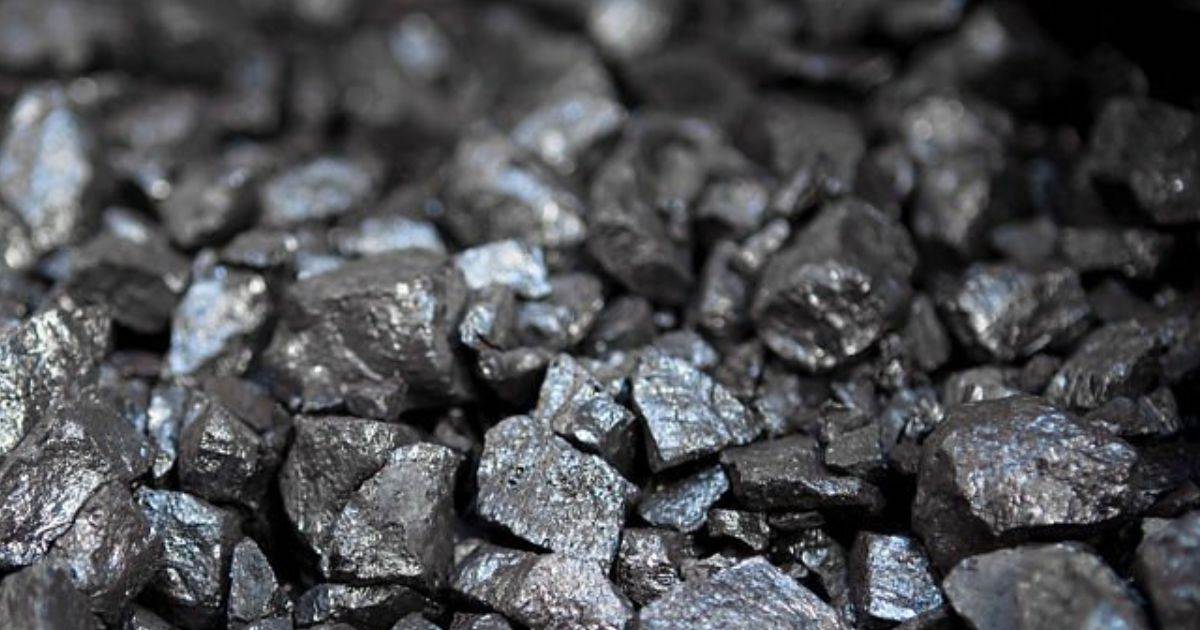
Origin of Iron Ore:
Iron ore formation occurs through two main processes: endogenic and exogenic.
- Endogenic: Formed billions of years ago from marine microorganisms depositing iron-rich sediments, which later metamorphosed into iron ore. This source accounts for 75% of global iron ore reserves.
- Exogenic: Resulting from weathering of iron-rich rocks under atmospheric, water, and biological influences. Released iron ions precipitate and accumulate, forming iron ore deposits.
Production Process:
Iron ore production typically involves three main stages:
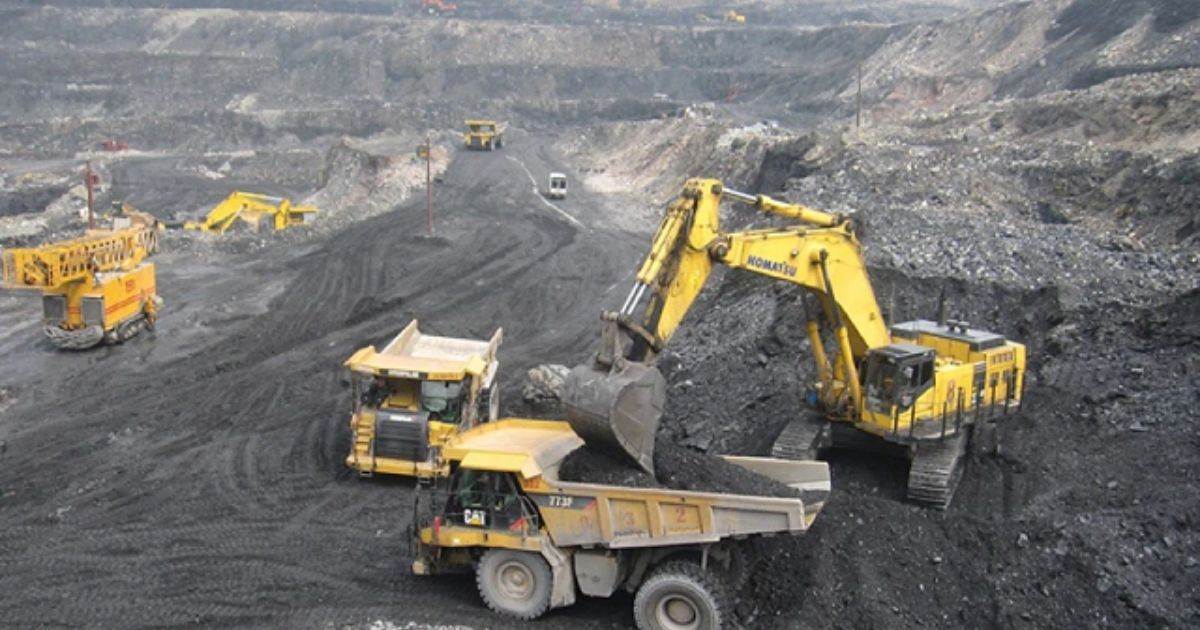
- Mining: Heavy machinery breaks the ground surface to expose iron ore. The raw ore is then extracted and transported to processing plants for crushing.
- Refining: Crushed ore is separated from impurities such as clay and sand to obtain iron. Depending on ore type, this may occur in single or multiple steps.
- Metallurgy: Iron is heated in furnaces with limestone and coke. Chemical reactions at high temperatures produce carbon dioxide and molten iron, while slag, formed from impurities reacting with limestone, floats on top, allowing easy separation of iron.
2. Factors Affecting Iron Ore Prices
Supply and Demand: As the primary raw material for steel production, iron ore prices rise when steel demand increases. In developed economies such as the US and China, steel demand correlates with infrastructure development, automobile production, and overall economic growth. Conversely, reductions in mining output may push prices higher, while increased supply can exert downward pressure.
China Consumption: China is the world’s largest iron ore importer, dominating the global market. Chinese demand significantly influences SGX iron ore prices.
Global Production Trends:
Production levels in Australia, Brazil, and India directly impact global iron ore exports.
Recently, major producers have adjusted production forecasts due to slower demand, affecting long-term price outlooks. (Source: Financial Times)
Inventories and Outstanding Trades:
- Port and steel mill inventories: High stock levels may exert downward pressure on prices, while low inventories create upward pressure if demand is strong.
- Recent data indicate rising inventories in China amid slowing steel demand, putting downward pressure on iron ore prices. (Source: stocks.observer-reporter.com, 24/10/2025)
Macroeconomic and Global Trade Factors:
- USD exchange rate: Since contracts are priced in USD, currency fluctuations affect the cost of imported raw materials in other countries.
- Trade policies and tariffs: Regulatory changes can influence export flows and derivative pricing.
Market Sentiment & Temporary Volatility:
- Iron ore prices frequently experience high volatility, reacting to macroeconomic data, production reports, or expectations of steel industry recovery or slowdown.
Steel Industry & Economic Correlation:
- The steel sector is closely linked to economic growth. Strong economic growth drives steel and iron ore demand, pushing prices higher. Economic slowdowns reduce demand, resulting in lower iron ore prices.
3. Investment Considerations for Iron Ore
High Volatility:
Iron ore prices can fluctuate significantly due to economic, political, and market factors. Investors must have high risk tolerance and closely monitor the market to make informed decisions.
Liquidity and Market Positioning:
- SGX iron ore contracts have relatively high liquidity, and trading volume for contracts such as 62% Fe iron ore has increased rapidly in recent years.
- Compared to metals like copper or aluminum, liquidity may be lower, requiring careful strategy and capital management.
Hedging Strategy Suitability:
Given iron ore price volatility, steel producers often use futures contracts to lock in prices and mitigate input cost risks.
SGX Listing – Less Active in US and Western Markets:
SGX iron ore contracts are less traded compared to larger exchanges like NYSE or LME, which may result in lower liquidity and higher trading risks.
Consult Edu Trade Experts:
Edu Trade Joint Stock Company is a leading member of Vietnam Commodity Exchange (MXV) and a trusted commodity trading firm with over 10 years of practical advisory experience.
Edu Trade organizes investment training courses to enhance market knowledge and trading skills.
Investors can receive expert guidance to develop effective strategies and avoid unnecessary risks during trading.
Edu Trade hopes this analysis provides investors with a clear understanding of iron ore as a commodity.
For investment inquiries or participation in the commodity derivatives market, contact Edu Trade Hotline: 0866.212.677 for professional consultation..
Edu Trade – Leading Member of the Vietnam Commodity Exchange (MXV)