

 Facebbook
 Tiktok
 Youtube
 Zalo
Zalo Linkedin
 Investment community
 Instagram
|
Hot rolled coil steel (FOB China) |
|
| Size | Full |
| Exchange | LME ( London Metal Exchange ) |
| Commodity code | LHC |
| Contract lot value (market price) | Commodity price * contract size |
| Contract size | 10 tons |
| Margin (changes according to MXV) | 10% of contract lot value |
| Trading price step | $0.5 ~ $5/lot |
| Quoted unit | Usd/ton |
| Profit/loss fluctuation $1/lot | $10 |
| Trading period | 12 months |
| Trading schedule | Monday – Friday |
| Trading session (winter opens 60 minutes late) | 07:00 – 01:00 (next day) |
| Price range | Not specified |
| Quality standard | According to the regulations of hot-rolled coil steel FOB China (steel HRC FOB China), traded on the London Metal Exchange |
| Delivery Registration Date | According to MXV regulations |
| First notice day | According to MXV regulations |
| Last trading day | Last working day of the expiration month. |
| Payment method | No physical delivery |
Hot Rolled Coil (HRC) is a steel product produced through hot rolling at high temperatures, which transforms the steel’s microstructure, enhancing ductility and workability. HRC plays a fundamental role in the global industrial production chain. Its wide applications, stable demand, and close correlation with economic growth make it a key industrial commodity. Additionally, hot rolled coil is also one of the commodity derivatives attracting significant investor interest.
Edu Trade provides the following detailed overview of this market.
 1. Introduction to Hot Rolled Coil Trading on London Metal Exchange (LME)
LME Hot Rolled Coil
Mining:
Iron ore is the primary input for HRC production. Iron ore is mined globally, primarily in Australia, Brazil, India, and Russia, using either open-pit or underground mining methods.
Production:
HRC production typically follows these stages:
Steelmaking: Extracted iron ore is crushed and beneficiated to remove impurities, then smelted in a blast furnace to produce pig iron. Pig iron is further refined to remove impurities and carbon, yielding molten steel.
Billet Casting: Molten steel is poured into molds to form billets.
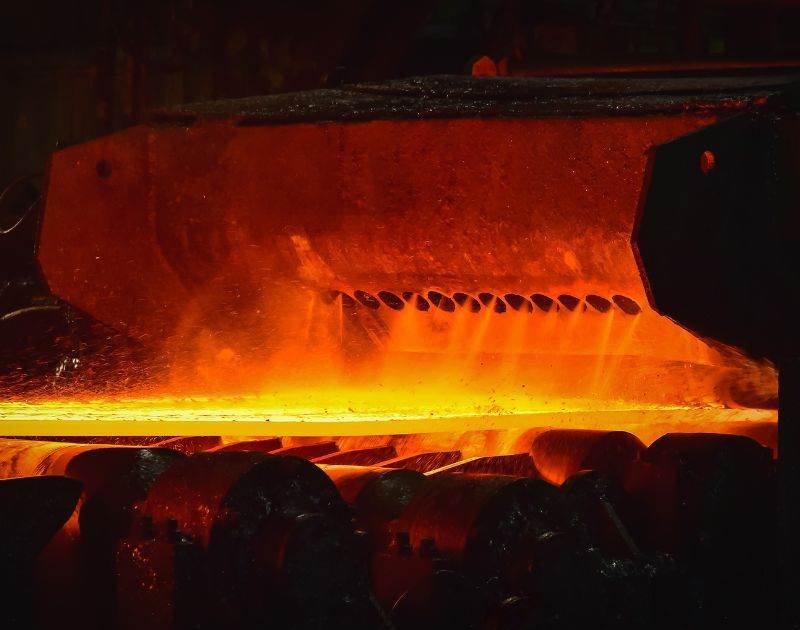
Hot Rolling: Billets are heated to high temperatures (~1,000°C) and rolled to reduce thickness, forming steel coils.
Cooling: Coils are cooled using water or air to stabilize the microstructure.
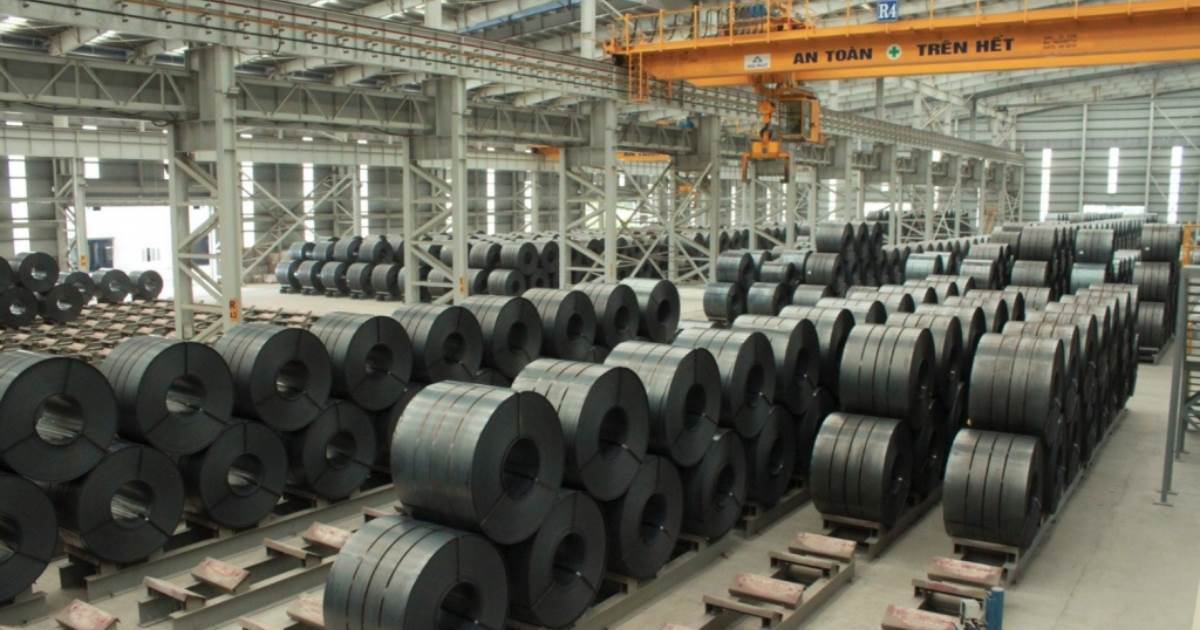
Coiling & Inspection: Steel coils are cut to standard lengths and inspected for dimensions, surface quality, and mechanical properties before shipment.
Applications:
HRC is widely used in industries such as: Mechanical fabrication, Shipbuilding, Automotive production, Construction, Consumer goods, Electronics and appliances
2. Factors Affecting LME Hot Rolled Coil Prices
Supply and Demand:
Production volume is a key determinant of global HRC prices. Oversupply tends to push prices down, while high demand exerts upward pressure. Economic growth and investment levels in major economies also impact HRC demand. For example, economic expansion drives higher steel consumption, increasing HRC demand.
US dollar exchange rate:
HRC is priced in US dollars, so a stronger USD makes imported HRC more expensive, potentially increasing selling prices, and vice versa.
Steel Industry Cycle & Macroeconomics:
The steel sector is cyclical and closely tied to:
- GDP growth
- Infrastructure investment
- Economic stimulus policies (particularly in China and the US)
Raw Material & Energy Costs:
Prices of iron ore, coking coal, electricity, and natural gas directly affect steel production costs, influencing HRC prices.
Prices of Substitute Products:
HRC prices can be impacted by substitute materials. If substitute products are cheaper, consumers may shift away from HRC, putting downward pressure on prices.
3. Effective Investment Strategies for LME Hot Rolled Coil
Market Understanding:
Investors should thoroughly understand the characteristics of HRC futures contracts. Participation in price chart analysis courses can help investors forecast HRC prices and identify market trends, enabling more informed investment decisions.
Alignment with hedging strategies:
Investors can use HRC futures to mitigate price fluctuation risks. Importers of HRC may purchase LME futures contracts to lock in input costs over a defined period, protecting against rising prices.
Consult Edu Trade Experts:
- Edu Trade is a leading and reputable member of the Vietnam Mercantile Exchange (MXV), specializing in commodity investment advisory services.
- With more than 10 years of hands-on experience, Edu Trade’s experts provide timely and accurate market insights, enabling investors to identify potential opportunities and make informed investment decisions.
Edu Trade regularly organizes investment training programs to enhance commodity trading knowledge and skills for investors. Furthermore, investors can receive in-depth consultation from Edu Trade specialists to develop effective investment strategies and minimize unnecessary risks during trading activities.
Edu Trade hopes this analysis has provided investors with a clear understanding of LME Hot Rolled Coil.
If you are interested in investing in this commodity or participating in the commodity derivatives market, please contact our Hotline: 0866.212.677 for professional consultation and support.
Edu Trade – Leading Member of the Vietnam Commodity Exchange (MXV)

Nhận Định 08.04.2025 | Nhóm Kim Loại
#edutrade #giaodichhanghoa #dautuhanghoa Công ty cổ phần EDUTRADE tự hào là đơn vị tư…

Nhận Định 07.04.2025 | Nhóm Kim Loại
#edutrade #giaodichhanghoa #dautuhanghoa Công ty cổ phần EDUTRADE tự hào là đơn vị tư…

Nhận Định 04.04.2025 | Nhóm Kim Loại
#edutrade #giaodichhanghoa #dautuhanghoa Công ty cổ phần EDUTRADE tự hào là đơn vị tư…

Nhận Định 03.04.2025 | Nhóm Kim Loại
#edutrade #giaodichhanghoa #dautuhanghoa Công ty cổ phần EDUTRADE tự hào là đơn vị tư…

Nhận Định 02.04.2025 | Nhóm Kim Loại
#edutrade #giaodichhanghoa #dautuhanghoa Công ty cổ phần EDUTRADE tự hào là đơn vị tư…

Nhận Định 01.04.2025 | Nhóm Kim Loại
#edutrade #giaodichhanghoa #dautuhanghoa Công ty cổ phần EDUTRADE tự hào là đơn vị tư…

Nhận Định 31.03.2025 | Nhóm Kim Loại
#edutrade #giaodichhanghoa #dautuhanghoa Công ty cổ phần EDUTRADE tự hào là đơn vị tư…

Nhận Định 27.03.2025 | Nhóm Kim Loại
#edutrade #giaodichhanghoa #dautuhanghoa Công ty cổ phần EDUTRADE tự hào là đơn vị tư…

Nhận Định 25.03.2025 | Nhóm Kim Loại
#edutrade #giaodichhanghoa #dautuhanghoa Công ty cổ phần EDUTRADE tự hào là đơn vị tư…

Nhận Định 24.03.2025 | Nhóm Kim Loại
#edutrade #giaodichhanghoa #dautuhanghoa Công ty cổ phần EDUTRADE tự hào là đơn vị tư…