


 Facebbook
 Tiktok
 Youtube
 Zalo
Zalo Linkedin
 Investment community
 Instagram
|
Rebar (FOB Turkey) |
|
| Size | Full |
| Exchange | LME ( London Metal Exchange ) |
| Commodity code | SSR |
| Contract lot value (market price) | Commodity price * contract size |
| Contract size | 10 tons |
| Margin (changes according to MXV) | 10% of contract lot value |
| Trading price step | $0.5 ~ $5/lot |
| Quoted unit | Usd/ton |
| Profit/loss fluctuation $1/lot | $10 |
| Trading period | 12 months |
| Trading schedule | Monday – Friday |
| Trading session (winter opens 60 minutes late) | 07:00 – 01:00 (next day) |
| Price range | Not specified |
| Quality standard | According to the regulations of steel rebar FOB Turkey, trading on London Metal Exchange |
| Delivery Registration Date | According to MXV regulations |
| First notice day | According to MXV regulations |
| Last trading day | Last working day of the expiration month. |
| Payment method | No physical delivery |
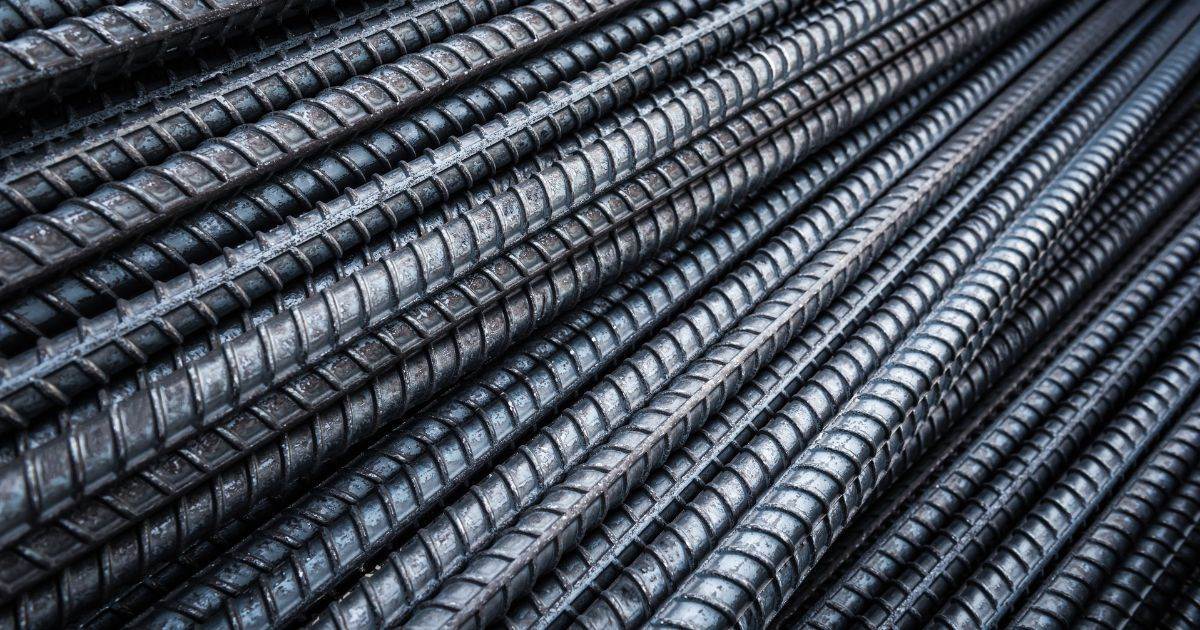
Reinforcing Bar (Rebar) or Deformed Steel Bar is a core material in the construction industry, playing a critical role in reinforcing concrete and determining the durability and sustainability of infrastructure. Beyond its significance in manufacturing and construction, reinforcing bar prices are also regarded as a barometer of economic health, reflecting economic cycles, public investment, and real estate activity.
Investing in reinforcing bar derivatives on the LME (London Metal Exchange) represents an attractive opportunity for investors seeking to profit from price fluctuations.
Let Edu Trade walk you through a more in-depth overview of this commodity in the article below.
1. Overview of Reinforcing Bar
Origin:
The use of reinforcing bars in construction can be traced back to the Stone Age, when humans utilized naturally occurring metal rods to reinforce structures.
However, modern reinforcing bars only truly emerged in the 19th century, alongside the advent of steelmaking technologies such as the Bessemer and Siemens–Martin processes.
The development of reinforced concrete has since established reinforcing bars as an indispensable material in modern construction.
Applications:
Reinforcing bars are commonly used to form fundamental structural components in construction projects, such as foundations, basements, and columns. With advantages including high durability, strong load-bearing capacity, flexibility, fire resistance, ease of installation, and reasonable cost, reinforcing bars make a significant contribution to the growth of the construction industry. In addition, reinforcing bars are also used to manufacture other fabricated products such as scaffolding, pillars, and mechanical tools.
Production Process:
The standardized production process includes the following key steps:
- • Raw material preparation: Iron ore, steel scrap, and additives are processed to ensure quality standards.
- • Melting: Raw materials are melted in blast furnaces or electric arc furnaces (EAF).
- • Refining: Impurities are removed and the chemical composition of the steel is adjusted.
- • Billet casting: Molten steel is poured into molds to form square billets.
- • Hot rolling: Billets are rolled to create ribbed patterns that enhance bonding with concrete.
- • Cold rolling (optional): Cold rolling improves strength, ductility, and workability at lower temperatures.
- • Cooling and annealing: These processes reduce temperature, stabilize the microstructure, and enhance toughness.
- • Inspection and finishing: Finished steel undergoes quality inspection to ensure compliance with technical standards. Surface treatments such as rust removal, painting, or galvanizing are applied to improve durability and aesthetics.
2. Factors Affecting Reinforcing Bar Prices
Supply and Demand:
The world’s leading producers of reinforcing bars are countries with highly developed industrial and construction sectors. Among them, the largest producers include China, India, Japan, the United States, and the European Union. Economic growth and large-scale construction projects can significantly boost demand for reinforcing bars, driving prices higher. Conversely, increased production capacity combined with weakened demand may lead to price declines.
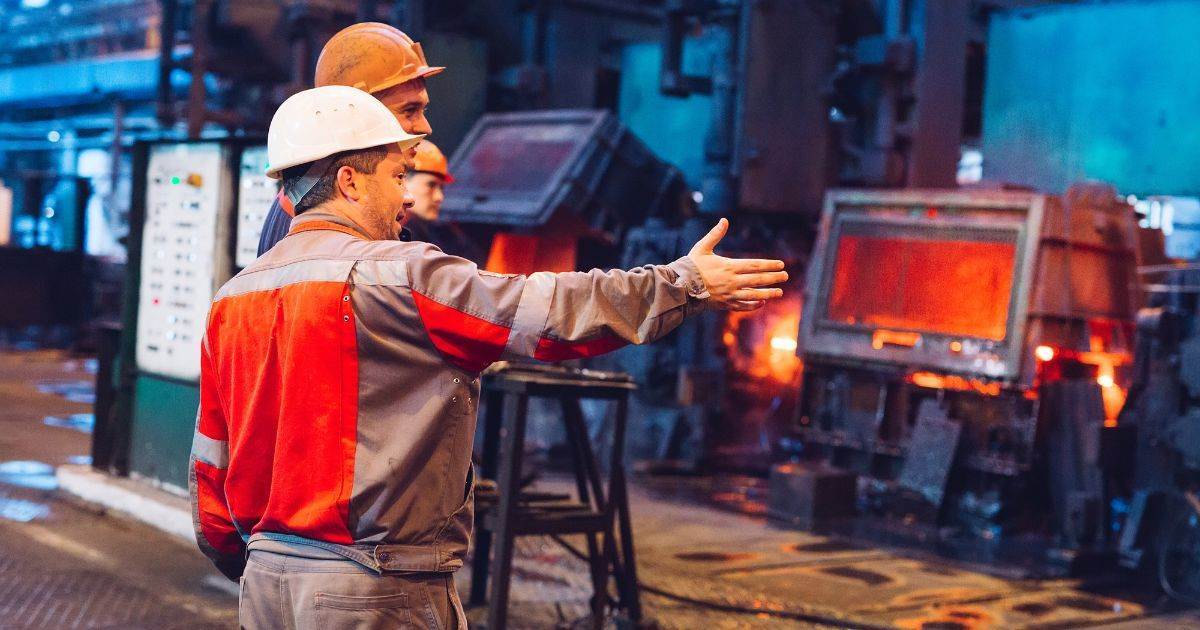
Correlation Between the Steel Industry and the Economy:
Economic stability or instability—such as GDP growth rates, unemployment levels, and overall business conditions—directly affects both the price and demand for reinforcing bars.
US dollar exchange rate:
Reinforcing bar prices exhibit a strong correlation with the US dollar (USD). When the USD appreciates, reinforcing bar prices tend to rise, and vice versa.
Inventory Levels and Output:
Steel inventory levels have a significant impact on reinforcing bar prices. High inventory levels often exert downward pressure on prices due to increased selling pressure. In contrast, low inventory levels can drive prices higher due to limited supply. Global steel output is another critical factor: rising output typically leads to lower reinforcing bar prices, while declining output can push prices up due to supply constraints.
3. Key Considerations When Investing in Reinforcing Bars
Suitable for Steel Manufacturing and Trading Enterprises for Price Hedging:
Enterprises can use reinforcing bars as a hedging instrument against fluctuations in input material prices such as iron ore and steel scrap. When raw material prices rise, reinforcing bar prices also tend to increase, helping companies partially offset higher production costs.
Ease of Assessing Global Economic Health:
Rising reinforcing bar prices may indicate an expanding economy, while falling prices may signal an economic downturn. Enterprises can monitor reinforcing bar prices to assess economic conditions and make appropriate business decisions.
Low Capital Requirement, Predictable Price Trends, and an Economic Indicator:
Investing in reinforcing bars does not require substantial initial capital, allowing enterprises greater flexibility in capital allocation and reduced risk exposure.
Reinforcing bar prices often fluctuate in line with economic cycles. During periods of economic expansion, demand for reinforcing bars increases, pushing prices higher. Conversely, during economic downturns, prices tend to decline. Enterprises can rely on macroeconomic trends to forecast reinforcing bar prices and formulate appropriate investment strategies.
Consult Edu Trade Experts:
- Edu Trade is a leading and reputable member of the Vietnam Mercantile Exchange (MXV), specializing in commodity investment advisory services.
- With more than 10 years of hands-on experience, Edu Trade’s experts provide timely and accurate market insights, enabling investors to identify potential opportunities and make informed investment decisions.
Edu Trade regularly organizes investment training programs to enhance commodity trading knowledge and skills for investors. Furthermore, investors can receive in-depth consultation from Edu Trade specialists to develop effective investment strategies and minimize unnecessary risks during trading activities.
We hope that the above insights from Edu Trade have helped investors gain a clearer understanding of Reinforcing Bar (LME).
If you are interested in investing in this commodity or participating in the commodity derivatives market, please contact our Hotline: 0866.212.677 for professional consultation and support.
Edu Trade – Leading Member of the Vietnam Commodity Exchange (MXV)

Nhận Định 08.04.2025 | Nhóm Kim Loại
#edutrade #giaodichhanghoa #dautuhanghoa Công ty cổ phần EDUTRADE tự hào là đơn vị tư…

Nhận Định 07.04.2025 | Nhóm Kim Loại
#edutrade #giaodichhanghoa #dautuhanghoa Công ty cổ phần EDUTRADE tự hào là đơn vị tư…

Nhận Định 04.04.2025 | Nhóm Kim Loại
#edutrade #giaodichhanghoa #dautuhanghoa Công ty cổ phần EDUTRADE tự hào là đơn vị tư…

Nhận Định 03.04.2025 | Nhóm Kim Loại
#edutrade #giaodichhanghoa #dautuhanghoa Công ty cổ phần EDUTRADE tự hào là đơn vị tư…

Nhận Định 02.04.2025 | Nhóm Kim Loại
#edutrade #giaodichhanghoa #dautuhanghoa Công ty cổ phần EDUTRADE tự hào là đơn vị tư…

Nhận Định 01.04.2025 | Nhóm Kim Loại
#edutrade #giaodichhanghoa #dautuhanghoa Công ty cổ phần EDUTRADE tự hào là đơn vị tư…

Nhận Định 31.03.2025 | Nhóm Kim Loại
#edutrade #giaodichhanghoa #dautuhanghoa Công ty cổ phần EDUTRADE tự hào là đơn vị tư…

Nhận Định 27.03.2025 | Nhóm Kim Loại
#edutrade #giaodichhanghoa #dautuhanghoa Công ty cổ phần EDUTRADE tự hào là đơn vị tư…

Nhận Định 25.03.2025 | Nhóm Kim Loại
#edutrade #giaodichhanghoa #dautuhanghoa Công ty cổ phần EDUTRADE tự hào là đơn vị tư…

Nhận Định 24.03.2025 | Nhóm Kim Loại
#edutrade #giaodichhanghoa #dautuhanghoa Công ty cổ phần EDUTRADE tự hào là đơn vị tư…