



|
Lead (LEDZ/PBD - LME) |
|
| Size | Full |
| Exchange | LME ( London Metal Exchange ) |
| Commodity code | LEDZ/PBD |
| Contract lot value (market price) | Commodity price * contract size |
| Contract size | 25 tons |
| Margin (changes according to MXV) | 10% of contract lot value |
| Trading price step | $0.5 ~ $12.5/lot |
| Quoted unit | Usd/ton |
| Profit/loss fluctuation $1/lot | $25 |
| Trading period | 03 months from the date the contract is listed |
| Trading schedule | Monday – Friday |
| Trading session (winter opens 60 minutes late) | 07:00 – 01:00 (next day) |
| Price range | 15% closing price |
| Quality standard | Details according to LME Lead trading regulations. |
| Delivery Registration Date | According to MXV regulations |
| First notice day | According to MXV regulations |
| Last trading day | The trading day immediately preceding the expiration date. |
| Payment method | Physical delivery |
Lead is a chemical element with the symbol Pb (from the Latin plumbum) and atomic number 82. It is a toxic, soft, and heavy metal with malleable properties. Recently, lead has become one of the most closely watched metals among investors in the commodity investment sector.
To gain a clearer understanding of this metal, please follow the article below by Edu Trade.
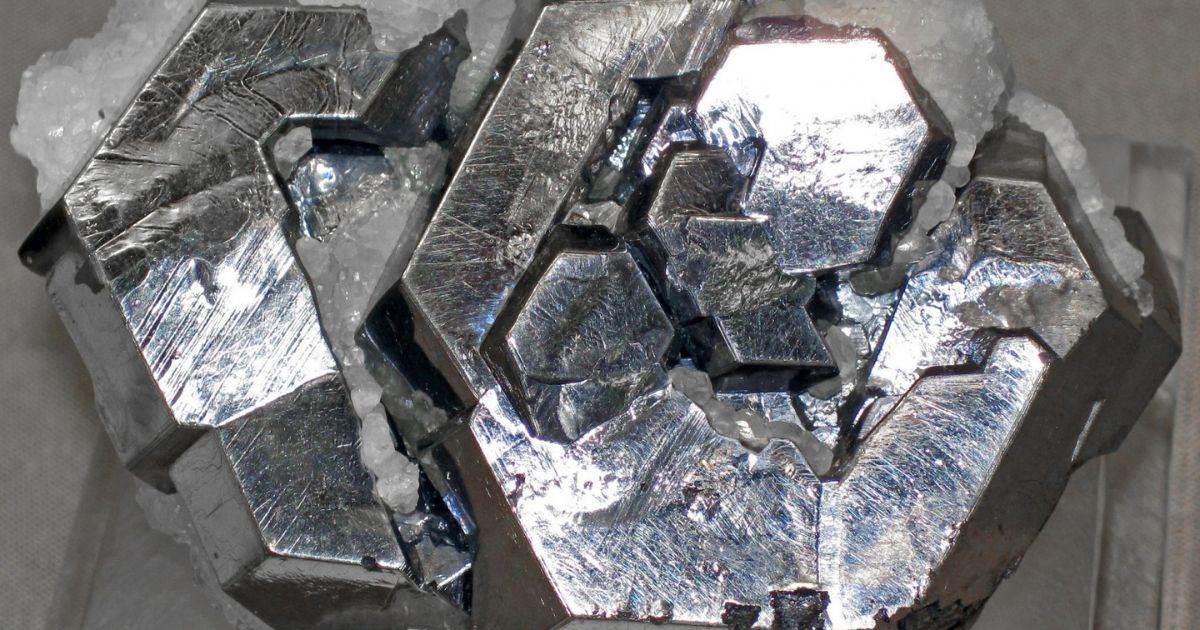 1. Introduction to Lead Traded on the London Metal Exchange (LME)
Mining:
Lead is primarily extracted from lead ores, which are often found in combination with other metals such as zinc and silver. The extraction process is carried out through two main methods: open-pit mining and underground mining.
Processing:
After mining, lead ore is transported to processing plants for metal recovery.
The processing typically involves three main stages:
- Crushing and beneficiation: The ore is crushed into a fine powder and separated to remove unwanted materials.
- Drying and roasting: The powdered ore is dried and then roasted at high temperatures, allowing lead to melt and separate from impurities.
- Filtration and refining: Molten lead is filtered to remove residual impurities and further refined to produce pure lead suitable for industrial and commercial use.
Applications:
- Lead has numerous applications in both daily life and industry, including: Lead-acid batteries, which account for 80–85% of global consumption, powering cars, trucks, uninterruptible power supplies (UPS), and backup energy systems.
- Pipes and alloys for industrial and construction purposes.
- Radiation shielding in medical, nuclear, and other industrial fields, protecting humans from harmful radiation exposure.
2. Factors Influencing LME Lead Prices
Supply and Demand:
Lead is widely used across industries, resulting in substantial global demand. Key markets include the aerospace and automotive sectors. When supply exceeds demand, lead prices generally decline; conversely, when demand surpasses supply, prices tend to rise. Major producing countries, such as Australia, China, and Russia, directly impact global lead prices.
- China is the world’s largest producer and consumer, contributing roughly 40–45% of refined lead output and dominating battery consumption.
- Changes in mining output or the expansion/contraction of refining capacity directly influence supply levels and LME inventories.
LME Stock Levels and Warehouse Activity:
Recently, inventories in LME-approved warehouses have surged, occasionally reaching the highest levels in over a decade. This contributed to relative oversupply and influenced market sentiment (Reuters).
Battery Consumption and Industrial Demand:
The lead-acid battery sector represents the majority of lead demand. As automotive and energy storage markets grow, lead consumption rises accordingly. Any slow transition to alternative battery technologies, such as lithium-ion, may affect long-term price expectations (Commodity).
US dollar exchange rate:
LME lead prices are quoted in USD, making them sensitive to currency fluctuations. A stronger USD typically puts downward pressure on prices for investors using other currencies.
Substitutes and Technology:
Competition from alternative materials, such as aluminum or polymers in certain applications, may influence long-term demand for lead.
 3. Effective Strategies for Investing in LME Lead
In-depth product knowledge:
- Understanding lead’s characteristics, applications, and market dynamics is essential for informed investment decisions.
- Analyze key factors affecting LME lead prices, including supply-demand balance, market sentiment, economic trends, inventory levels, and geopolitical events.
- Closely monitor market developments, news, and data, especially from China, the world’s largest lead consumer.
Suitable for Hedging Strategies:
- Utilize LME lead futures contracts to manage price volatility for producers, consumers, or investors exposed to lead.
- Investors can implement hedging strategies to mitigate risk and maximize returns.
Consult Edu Trade Experts:
- Seek guidance from experienced investment professionals, such as Edu Trade, for tailored advice on effective commodity trading strategies.
- Participate in specialized training programs on commodity investment, particularly LME lead, to enhance knowledge and skills.
- A team of expert advisors with over 10 years of practical experience can assist clients in selecting investment strategies aligned with financial objectives and risk tolerance.
This report provides comprehensive insight into LME-traded lead. It is worth noting that supply constraints, robust industrial demand, and investor activity continue to make lead a strategically significant commodity in global markets.
For investors looking to engage in lead or commodity derivatives trading, professional consultation is strongly recommended offers guidance via hotline: 0866.212.677.
Edu Trade – Leading Member of the Vietnam Commodity Exchange (MXV)
Theo quy định của sản phẩm Chì giao dịch trên Sở giao dịch Kim loại London (LME).
1. Chì tinh chế có độ tinh khiết tối thiểu 99,970% phải đáp ứng được một trong 3 tiêu chuẩn dưới đây:
a. Tiêu chuẩn BS EN 12659:1999 dành cho “Chì và Hợp kim chì – Chì”: Số vật liệu PB970R, PB985R và PB990R
b. Tiêu chuẩn GB/T 469/2013 dành cho “Chì thỏi”: 99.970%, 99.985%, 99.990% và 99.994%
c. Tiêu chuẩn ASTM B29-03 (2014) dành cho “Chì tinh luyện”: 99.97% và 99.995%.
2. Chì được giao dưới hình dạng thỏi, mỗi thỏi có trọng lượng không quá 55kg.
3. Chì được giao theo hợp đồng phải đến từ các doanh nghiệp theo danh sách LME phê duyệt.
Tiêu chuẩn BS EN 12659:1999 – dành cho “Chì và Hợp kim chì”
| Nguyên tố | Thành phần % | |||
| Chì | 99.970 đối với
PB970R |
99.985 đối với
PB985R |
99.990 đối với
PB990R |
Tối thiểu |
| Bạc | 0.0050 | 0.0025 | 0.0015 | Tối đa |
| Asen | 0.0010 | 0.0005 | 0.0005 | |
| Bitmut | 0.030 | 0.0150 | 0.0100 | |
| Cadimi | 0.0010 | 0.0002 | 0.0002 | |
| Đồng | 0.0030 | 0.0010 | 0.0005 | |
| Niken | 0.0010 | 0.0005 | 0.0002 | |
| Antimon | 0.0010 | 0.0005 | 0.0005 | |
| Thiếc | 0.0010 | 0.0005 | 0.0005 | |
| Kẽm | 0.0005 | 0.0002 | 0.0002 | |
| Tổng cộng | 0.030 | 0.015 | 0.010 | |
Tiêu chuẩn GB/T 469-2013 – dành cho “Chì thỏi”
| Nguyên tố | Thành phần % | ||||
| Chì | 99.970 đối với Pb99.970 | 99.985 đối với Pb99.985 | 99.990 đối với Pb99.990 | 99.994 đối với Pb99.994 | Tối thiểu |
| Bạc | 0.0050 | 0.0025 | 0.0015 | 0.0008 | Tối đa |
| Asen | 0.0010 | 0.0005 | 0.0005 | 0.0005 | |
| Bitmut | 0.030 | 0.0150 | 0.0100 | 0.004 | |
| Cadimi | 0.0010 | 0.0002 | 0.0002 | 0.0002 | |
| Đồng | 0.0030 | 0.0010 | 0.0005 | 0.001 | |
| Sắt | 0.0020 | 0.0010 | 0.0010 | 0.0005 | |
| Niken | 0.0010 | 0.0005 | 0.0002 | 0.0002 | |
| Antimon | 0.0010 | 0.0005 | 0.0005 | 0.0007 | |
| Thiếc | 0.0010 | 0.0005 | 0.0005 | 0.0005 | |
| Kẽm | 0.0005 | 0.0002 | 0.0002 | 0.0004 | |
| Tổng cộng | 0.030 | 0.015 | 0.010 | 0.006 | |
Tiêu chuẩn ASTM B29-03 (2014) dành cho “Chì tinh luyện”
| Nguyên tố | Thành phần % | ||
| Chì | 99.97 đối với
UNS No.L50021 |
99.995 UNS No.L50006 | Tối thiểu |
| Chì nguyên chất | Ít Bitmut
Ít bạc Chì nguyên chất |
Tối đa | |
| Bạc | 0.0075 | 0.0010 | |
| Nhôm | 0.0005 | ||
| Asen | 0.0005 | 0.0005 | |
| Bitmut | 0.025 | 0.0015 | |
| Cadimi | 0.0005 | ||
| Đồng | 0.0010 | 0.0010 | |
| Sắt | 0.001 | 0.0002 | |
| Niken | 0.0002 | 0.0002 | |
| Lưu huỳnh | 0.001 | ||
| Antimon | 0.0005 | 0.0005 | |
| Selen | 0.0005 | ||
| Thiếc | 0.0005 | 0.0005 | |
| Telu | 0.0002 | 0.0001 | |
| Kẽm | 0.001 |
0.0005 |
|
Đang cập nhật...
Đang cập nhật...
Đang cập nhật...