

|
Tin (LTIZ/SND – LME) |
|
| Size | Full |
| Exchange | LME ( London Metal Exchange ) |
| Commodity code | LTIZ/SND |
| Contract lot value (market price) | Commodity price * contract size |
| Contract size | 5 tons (+-2%) |
| Margin (changes according to MXV) | 10% of contract lot value |
| Trading price step | $5 ~ $25/lot |
| Quoted unit | Usd/ton |
| Profit/loss fluctuation $1/lot | $25 |
| Trading period | 03 months from the date the contract is listed |
| Trading schedule | Monday – Friday |
| Trading session (winter opens 60 minutes late) | 07:00 – 01:00 (next day) |
| Price range | 15% closing price |
| Quality standard | Details according to LME Zinc trading regulations. |
| Delivery Registration Date | According to MXV regulations |
| First notice day | According to MXV regulations |
| Last trading day | The trading day immediately preceding the expiration date. |
| Payment method | Physical delivery |
Tin is a soft, malleable, silvery-white metal with a low melting point and high corrosion resistance. Owing to these properties, tin is widely used in the electronics industry, component soldering, metal plating, and alloy production.
In the commodities derivatives market, tin traded on the London Metal Exchange (LME) is considered one of the base metals with constrained supply and high sensitivity to economic and technological cycles—particularly global trends in digitalization and electric vehicles.
To gain a deeper understanding of this commodity, please follow the article below by Edu Trade.
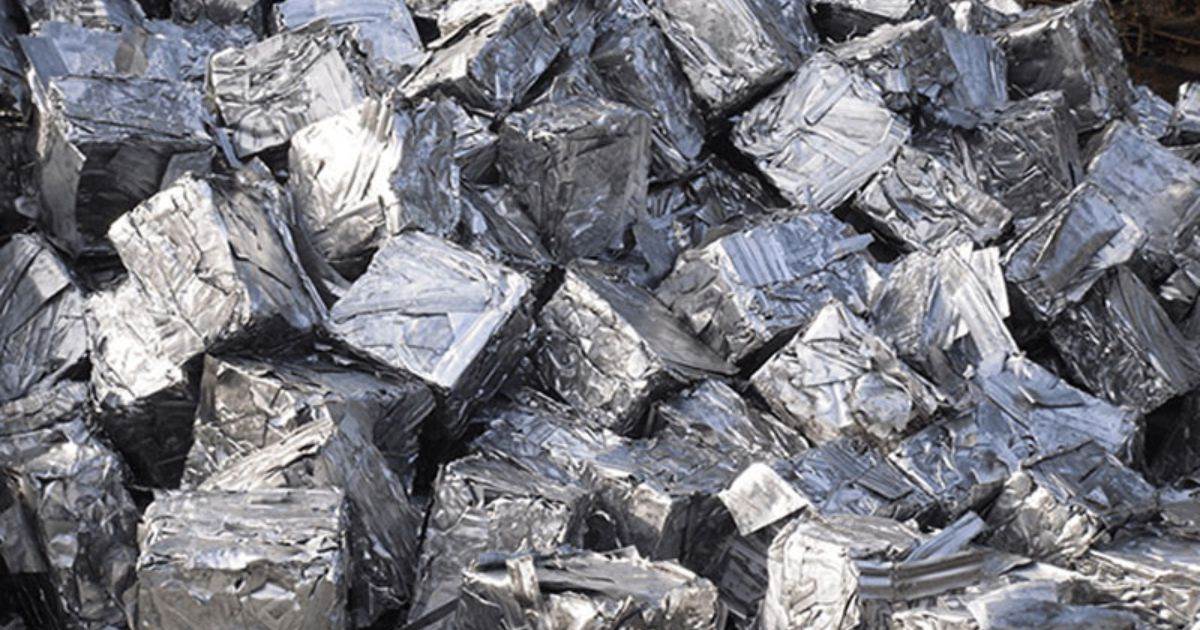 1. Overview of Tin Traded on the London Metal Exchange (LME Tin)
Mining:
There are two primary methods of tin mining: open-pit mining and underground mining.
Open-pit mining: This method is applied when cassiterite ore is located close to the earth’s surface. The mining process involves removing the overburden of soil and rock to expose the ore, which is then extracted using machinery or manual labor.
Underground mining: This method is used when cassiterite ore is located deep underground. The process involves constructing shafts and tunnels to access the ore, which is then extracted using specialized equipment.
Production:
After mining, the ore is finely crushed and tin minerals are separated from impurities through beneficiation processes. The ore concentrate is then smelted at high temperatures to separate metallic tin from oxygen. Crude tin is refined through electrolysis or thermal refining to achieve high purity levels (99.85%–99.95%). During melting, the tin is further boiled to remove additional impurities. Finally, refined tin is cast into ingots or other forms for use in various applications.
Applications:
Tin has numerous important applications in daily life, including: the production of key alloys (such as Babbitt metal, solder alloys, and bronze); coating other metals to create corrosion-resistant and aesthetically enhanced surfaces; manufacturing electronic components (printed circuit boards, wiring, etc.); and use in the production of batteries, toys, and other consumer products.
2. Factors Affecting LME Tin Prices
Supply and Demand
Global tin mining output has a direct impact on supply. Geopolitical developments, weather conditions, and mining disruptions can all affect production levels.
When supply increases, tin prices tend to decline, and vice versa. Demand from industries such as electronics, automotive manufacturing, and food packaging also influences prices. Rising demand can drive prices higher, while weak demand may exert downward pressure.
Demand from the Technology Sector:
- • Tin is an indispensable metal for electronic soldering.
- • Demand rises sharply when semiconductor production and consumer electronics recover, and when electric vehicle and clean energy markets expand.
US Dollar Exchange Rate:
Tin is traded in USD on the LME; therefore, the US dollar exchange rate has a direct impact on tin prices.
When the USD strengthens, tin prices tend to decline for investors holding other currencies.
Conversely, when the USD weakens, tin prices tend to rise for these investors.
Prices of Substitute Products:
In certain applications, tin can be partially substituted by lead or silver.
However, due to lead-free (RoHS) requirements in the electronics industry, tin continues to play a critical role.
Fluctuations in the prices of substitute metals may indirectly affect tin prices.
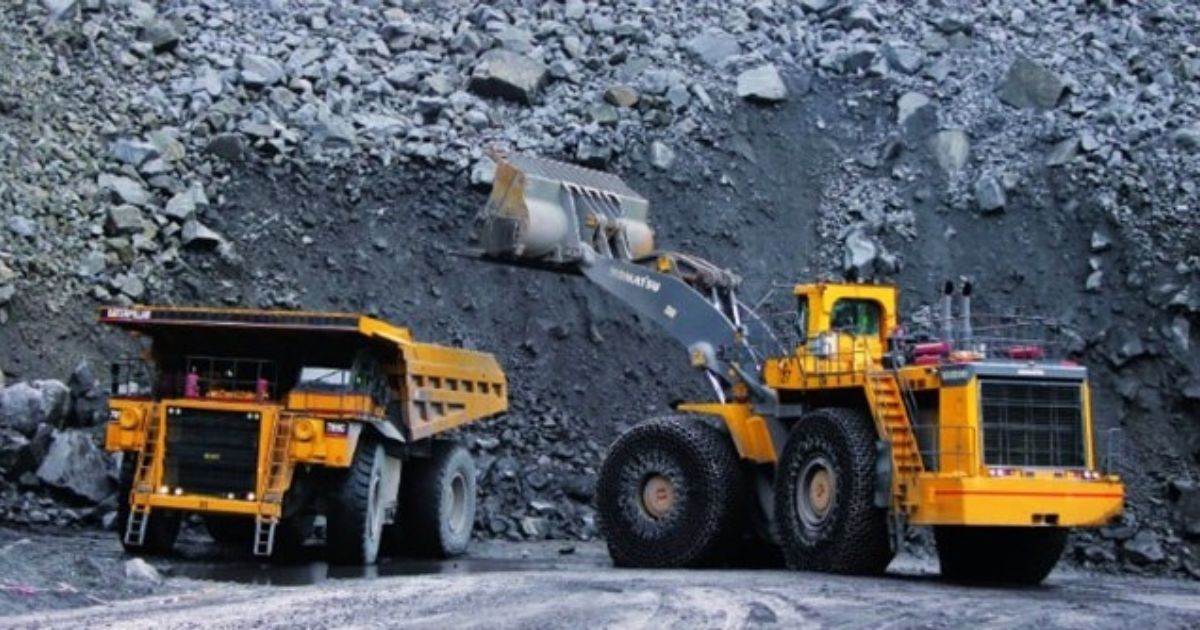
3. Key Strategies for Effective LME Tin Investment
In-depth product knowledge:
Understanding the tin market is essential. Investors should closely monitor supply and demand dynamics, mining output, consumption demand, inventory levels, and historical prices.
Investment decisions should be based on economic forecasts, future consumption demand, and other relevant factors to assess the growth potential of the tin market.
Suitable for Hedging Strategies:
Use of futures contracts: Investors may buy or sell tin futures contracts to lock in future purchase or selling prices, thereby protecting against price volatility.
Assessment of Medium- to Long-Term Trends:
Tin is characterized by limited supply and demand closely linked to technological development. → As such, it is well suited for investors pursuing cyclical and medium-term investment strategies.
Consult Edu Trade Experts:
- Edu Trade is a leading and reputable member of the Vietnam Mercantile Exchange (MXV), specializing in commodity investment advisory services.
- With more than 10 years of hands-on experience, Edu Trade’s experts provide timely and accurate market insights, enabling investors to identify potential opportunities and make informed investment decisions.
Edu Trade regularly organizes investment training programs to enhance commodity trading knowledge and skills for investors. Furthermore, investors can receive in-depth consultation from Edu Trade specialists to develop effective investment strategies and minimize unnecessary risks during trading activities.
We hope that the above insights from Edu Trade have helped investors gain a clearer understanding of Tin (LME).
If you are interested in investing in this commodity or participating in the commodity derivatives market, please contact our Hotline: 0866.212.677 for professional consultation and support.
Edu Trade – Leading Member of the Vietnam Commodity Exchange (MXV)
Theo quy định của sản phẩm Thiếc giao dịch trên Sở giao dịch Kim loại London (LME).
1. Thiếc tinh luyện có độ tinh khiết tối thiểu 99,85% phù hợp với tiêu chuẩn BS EN 610: 1996
2. Thiếc được giao dưới hình dạng thỏi, mỗi thỏi có trọng lượng không dưới 12 kg và không quá 30 kg.
3. Thiếc được giao theo hợp đồng phải đến từ các doanh nghiệp theo danh sách LME phê duyệt.
Tiêu chuẩn BS EN 610: 1996
| Nguyên tố | Thành phần % | |
| Thiếc | 99.85 | Tối thiểu |
| Nhôm | 0.0010 | Tối đa |
| Asen | 0.030 | |
| Bitmut | 0.030 | |
| Cadimi | 0.0010 | |
| Đồng | 0.050 | |
| Sắt | 0.010 | |
| Chì | 0.050 | |
| Antimon | 0.050 | |
| Kẽm | 0.0010 | |
| Tổng cộng |
0.150 |
|
Đang cập nhật...
Đang cập nhật...
Đang cập nhật...