



|
Soybeans ( ZSE – CBOT ) |
||
| Size | Full | Micro |
| Exchange | CBOT (Chicago Board of Trade ) | CBOT (Chicago Board of Trade ) |
| Commodity code | ZME | MZM |
| Contract Value | Commodity price * contract size | Commodity price * contract size |
| Contract lot value (market price) | 91 tons | 9.1 tons |
| Margin (changes according to MXV) | 10% of contract lot value | 10% of contract lot value |
| Trading price step | $0.1 ~ $10/lot | 0.2 ~ $2/lot |
| Quoted unit | usd/ton | usd/ton |
| Profit/loss fluctuation $1/lot | $100 | $10 |
| Trading period | 1;3;5;7;8;9;10;12 | 1;3;5;7;8;9;10;12 |
| Trading schedule | Monday – Friday | Monday – Friday |
| Trading session
(winter opens 60 minutes late) |
07:00 – 19:45
20:30 – 01:20 (next day) |
07:00 – 19:45
20:30 – 01:20 (next day) |
| Price range | Initial price limit: $25/ton
Extended price limit: $40/ton |
Initial price limit: $20/ton
Extended price limit: $30/ton |
| Quality standard | Soybean meal according to CBOT standards | Soybean meal according to CBOT standards |
| Delivery Registration Date | 5th business day before the first notice day | According to MXV regulations |
| First notice day | Last business day of the month immediately preceding the expiration month | Last working day of
month immediately preceding the expiration month |
| Last trading day | Business day 15 days before the expiration month | 6th working day, before the
first notice |
| Payment method | Physical delivery | No physical delivery |
Soybean meal is a derivative of soybeans, commonly available in flaked, powdered, or granular forms. Its color ranges from yellow to light brown, with a characteristic aroma of soybean hulls.
For those interested in this commodity and looking to invest in the derivatives market, please refer to Edu Trade’s detailed insights below.
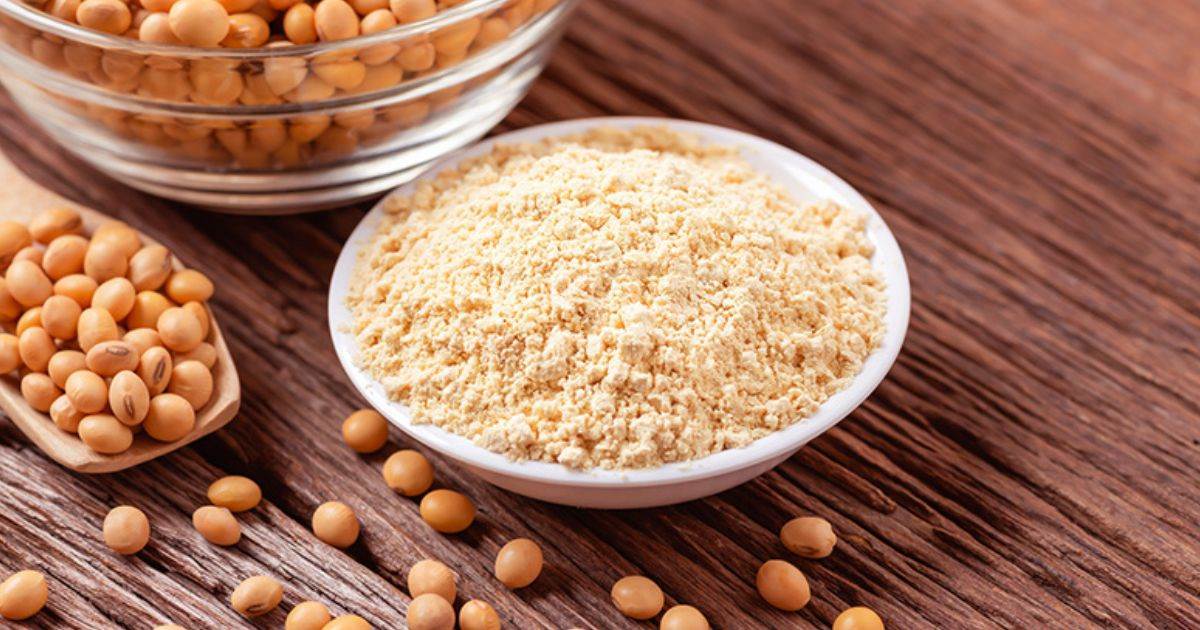
1. Introduction to Soybean Meal on CBOT
Soybean meal is a high-protein product widely used in food processing and animal feed production. U.S. soybean meal with hulls is generally priced higher than Asian soybean meal due to its better digestibility and higher energy content compared to other soybean meal types.
Origin:
The Soybean Meal Futures Contract (Commodity Code: ZME) has been traded on the Chicago Board of Trade (CBOT) since 1947. It is one of the most actively traded agricultural futures contracts globally. Soybean meal plays a vital role in the animal feed industry, providing essential protein and nutrients for livestock and poultry.
Applications:
Soybean meal has several important uses across different sectors, including: Animal Feed: Accounting for over 97% of total consumption, providing essential protein and nutrients for livestock and poultry. Other Products: Soybean oil, soybean flour, lecithin, and other processed products. Investment: Traded through CBOT Soybean Meal Futures Contracts.
Production Process:
After harvest, approximately two-thirds of total soybeans are processed or crushed into soybean meal and soybean oil.
During crushing, soybeans are dehulled and flaked. The beans are then solvent-extracted and distilled to produce crude soybean oil. After oil extraction, the residual flakes are dried, toasted, and ground into soybean meal.
2. Factors Affecting CBOT Soybean Meal Prices
Supply and Demand:
Soybean meal prices are determined by the supply and demand for soybeans. While soybeans can be grown in various regions, the highest production is concentrated in Brazil, the U.S., and Argentina. These countries’ output directly affects crushing volumes, and consequently, the supply of soybean meal.
Seasonality:
Soybean meal prices tend to rise at the end of the harvest due to limited supply and early in the new harvest season due to stockpiling demand. Adverse weather conditions during harvest can reduce production and push prices higher.
Transportation:
The cost of transporting soybean meal from production sites to consumption markets affects product pricing. Fluctuations in fuel prices, traffic congestion, or changes in transportation policies can impact soybean meal prices.
US dollar exchange rate:
Since soybean meal is priced in U.S. dollars, a stronger dollar may reduce demand from foreign buyers, while a weaker dollar may increase demand.
Substitute Products:
Soybean meal is primarily used as animal feed. Prices of substitute products such as corn meal or wheat meal can affect demand for soybean meal. Lower-priced substitutes may reduce soybean meal demand and prices, whereas higher-priced substitutes may increase demand and push prices up.
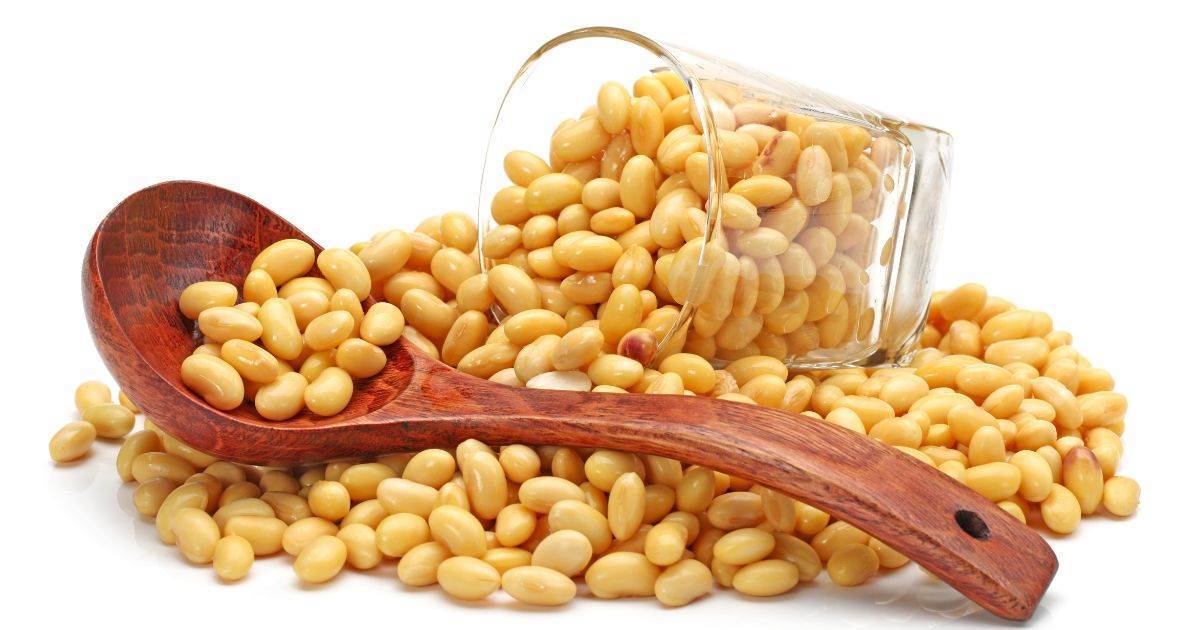
3. Key Reports Influencing Soybean Meal Prices
WASDE (World Agricultural Supply and Demand Estimates):
- Published monthly by the U.S. Department of Agriculture (USDA).
- Provides forecasts on global supply and demand for major agricultural commodities, including soybean meal
- A critical report with a strong impact on global soybean meal prices
USDA Reports: In addition to WASDE, the USDA publishes various reports relevant to the soybean meal market, including:
- Soybean Meal Production Report: Provides data on U.S. and international soybean meal production.
- Soybean Meal Export Report: Tracks U.S. soybean meal exports to other countries.
- Soybean Meal Stock Report: Provides data on U.S. soybean meal inventories.
- Soybean Meal Consumption Report: Tracks soybean meal consumption in the U.S. and other countries.
4. Effective Investment Strategies for Soybean Meal (ZME – CBOT)
In-depth product knowledge:
- Understand the Product: Gain comprehensive knowledge of soybean meal types, production processes, quality standards, storage, and transportation requirements.
- Market Analysis: Study global supply and demand for soybean meal, price trends, and key factors affecting prices such as production, inventories, and trade policies.
Monitor Price Movements & Market Data:
- Continuously track CBOT soybean meal prices, production reports, stock levels, import-export data, and alternative products such as corn meal and wheat meal.
Technical & Fundamental Analysis:
- Utilize technical analysis tools to identify price trends, support, and resistance levels.
- Combine with fundamental analysis using WASDE data, production and inventory reports, weather patterns, and trade/tariff policies
Consult Experts & Enhance Knowledge via Edu Trade:
- Discover Edu Trade: Edu Trade is a reputable derivatives investment company providing knowledge and tools for effective commodity trading.
- Participate in Investment Courses: In-depth derivatives trading courses help investors develop skills to analyze markets, forecast trends, and make informed investment decisions.
- Expert Advice: Our experienced team is ready to answer questions, provide guidance, and recommend strategies tailored to your investment goals.
For detailed consultation on soybean meal investments, please contact our Hotline: 0866.212.677.
Edu Trade – Leading member of the Vietnam Commodity Exchange.
Theo quy định của sản phẩm Khô đậu tương CBOT giao dịch trên Sở Giao dịch Hàng hóa CBOT.
Khô đậu tương chứa 47,5% protein, được tạo ra bằng đậu nành xay và giảm hàm lượng dầu trong sản phẩm quy định bằng cách sử dụng hexan hoặc dung môi hydrocacbon tương đồng.
Thông số kỹ thuật tiêu chuẩn là:
Protein tối thiểu là 47,5%.
Chất béo tối thiểu là 0,5%.
Chất sơ tối thiểu là 3,5%.
Độ ẩm (khi được vận chuẩn bởi Bộ phận xử lý) tối đa là 12,0%.
Sản phẩm có thể chứa chất dinh dưỡng, các định lượng chất không độc để bớt vón cục và tăng tốc độ dòng chảy ở mức 0,5%.
Tên các tác nhân phải được thêm vào như 1 thành phần của sản phẩm.
Các phương pháp thử nhiệm được chấp nhận bởi AOAC (Association of Official Analytical Chemists) và AOCS (American Oil Chemists’ Society).
Đang cập nhật...
Đang cập nhật...
Đang cập nhật...